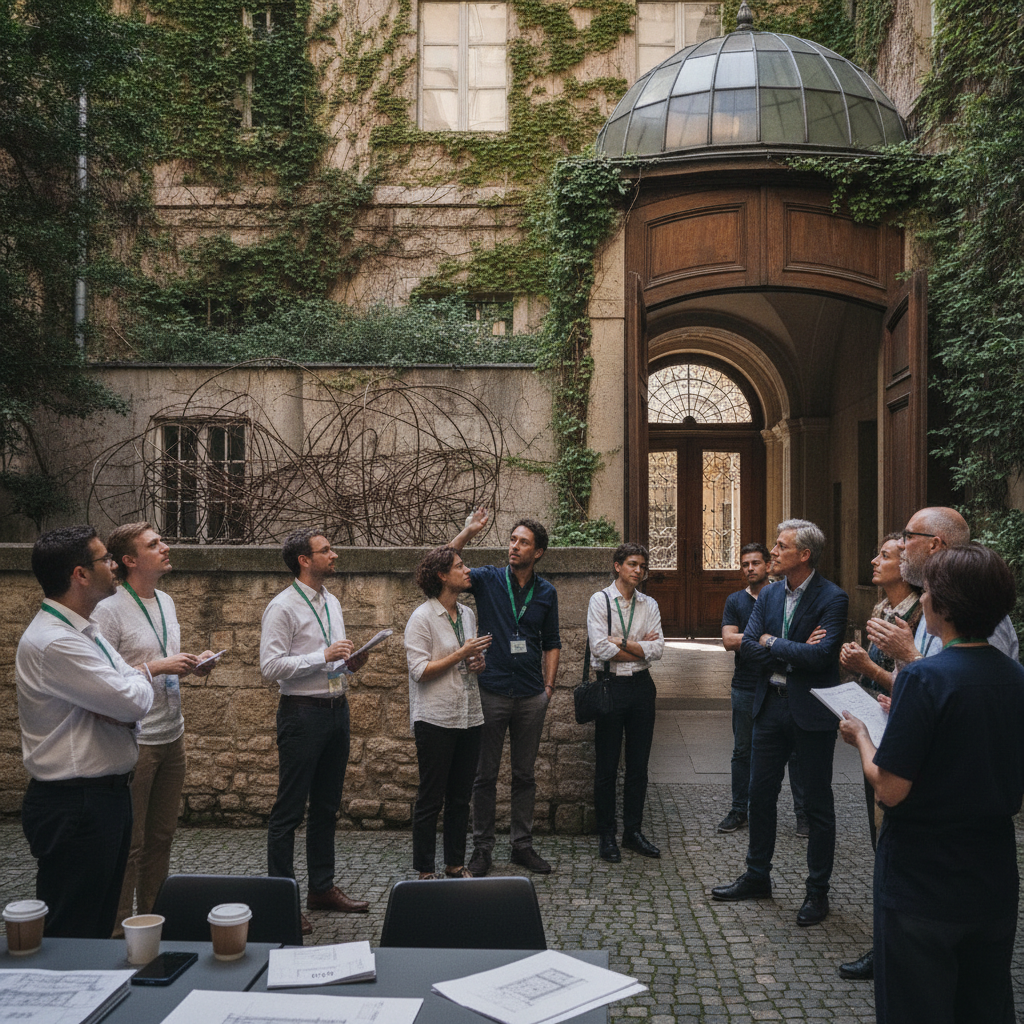
Most travelers book the hotel closest to the main square, the famous cathedral, or the waterfront promenade — and then spend the rest of the trip quietly absorbing prices that have been calibrated for people with nowhere else to go. The tourist center is convenient, but that convenience has a cost that shows up in every coffee, every meal, and every taxi ride. Moving one neighborhood outward changes the economics of the entire trip without meaningfully changing access to the places worth seeing.
The Price Gap Between Zones Is Bigger Than It Looks
Accommodation costs in the immediate tourist core of a city tend to carry a significant premium over streets just fifteen minutes away on foot. That gap isn't limited to the room rate — it radiates outward into everything nearby. The café next to your hotel, the restaurant the concierge recommends, the convenience shop selling bottled water — all of it reflects the same inflated baseline. Staying in a neighborhood like Pigneto in Rome or Kreuzberg in Berlin, rather than the historic center, doesn't just lower one line item. It resets your daily cost environment entirely.
Proximity to Real Routine Changes Who You Meet
Local residents don't typically live in the tourist core. They live where the rents are manageable and the streets aren't crowded with rolling luggage. When you stay one neighborhood out, you share space with people going about actual daily life — commuting, shopping, eating at places they return to every week. That overlap creates the conditions for spontaneous, genuine interaction in a way that a hotel lobby full of other tourists simply can't. It's a structural advantage, not a matter of effort or personality.
Your Morning Sets the Tone for Everything Else
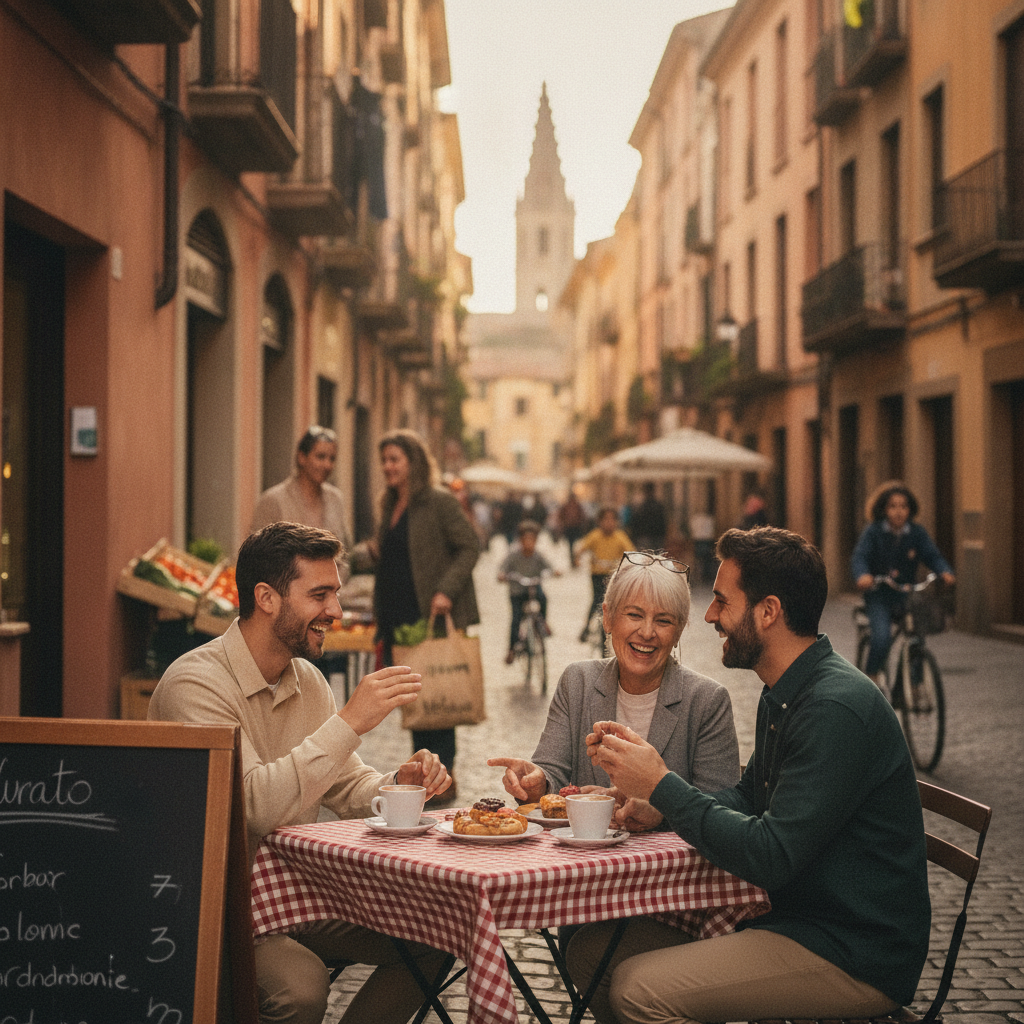
Where you get your first coffee of the day matters more than it seems. In the tourist center, breakfast is often a performative experience priced for visitors. One neighborhood out, you're likely to find a corner bar where regulars stand at the counter, a bakery where the staff recognize the same faces every morning, or a small market where the produce is priced for people who buy it weekly. Starting the day in that environment calibrates your expectations and your spending for every subsequent choice. It shifts your frame of reference quietly but durably.
Walking Distance Still Gets You Everywhere
One of the persistent myths about staying outside the tourist center is that you'll spend the trip commuting. In most mid-sized to large cities, one neighborhood removed means a fifteen to twenty-five minute walk, a single metro stop, or a short tram ride. Neighborhoods like Gràcia in Barcelona or Prenzlauer Berg in Berlin sit close enough to major attractions that the logistics are simple. The inconvenience is genuinely minor. What you gain — lower nightly rates, cheaper surrounding food options, quieter streets — consistently outweighs the occasional extra ten minutes on foot.
Accommodation Type Shifts Naturally in Secondary Neighborhoods
The tourist core tends to cluster certain accommodation types: large hotels, branded chains, short-term rentals priced at peak demand. Move one neighborhood out and the options shift toward locally owned guesthouses, small boutique properties, and longer-let apartments that weren't designed around nightly tourist turnover. These places often include things like a shared kitchen, a host who knows the neighborhood well, or a common area where other guests interact informally. Apps like Airbnb and Booking.com both surface these options, but they reward searching by map rather than by landmark proximity.
Food Costs Drop Without Sacrificing Quality
The restaurants within walking distance of major tourist attractions operate under a specific logic: high foot traffic, low repeat customers, prices set accordingly. The food isn't necessarily bad, but value rarely follows. A neighborhood restaurant in a residential area, by contrast, depends on locals coming back. That dependency produces better quality at lower prices almost everywhere in the world. Spending a few minutes before your trip identifying one or two neighborhoods with strong local food reputations — using resources like Eater city guides or local food blogs — gives you a practical shortlist before you even land.
The Neighborhood Itself Becomes Part of the Experience
Travelers who stay in the tourist center often describe their trip in terms of sites visited: the museum, the castle, the famous bridge. Travelers who stay slightly outside tend to describe their trip differently — they mention the street, the market two blocks from where they slept, the conversation at the corner shop. That shift isn't incidental. When your immediate surroundings feel like a place where people actually live, curiosity about it activates in a different way. The neighborhood stops being background and becomes content in its own right, usually without any extra planning required.
Transit Knowledge Comes Faster and Pays Off Longer
Staying in a non-tourist neighborhood means you'll engage with the city's actual transport network earlier than most visitors do. You'll figure out how the metro card works, which bus line runs near your street, and how long it genuinely takes to get to the areas you want to see. That knowledge compounds over the length of the trip. By day three, you're moving through the city with a fluency that visitors staying in the tourist center — where everything is walkable by design — often never develop. It's a small investment of orientation time that returns more confidence and lower transport costs.
The habit of choosing accommodation one step removed from the obvious center is one of those travel adjustments that sounds minor until you've tried it. The savings are real, the interactions are more textured, and the sense of being somewhere rather than just seeing something tends to arrive much faster. Whatever destination is next on your list, it's worth pulling up the map and asking what's one neighborhood over — because that's often where the better version of the trip is waiting.