Travelers who describe themselves as non-cooks often dismiss shared kitchens as irrelevant to their trip planning. You don't meal prep at home, you rarely boil water intentionally, and the idea of cooking abroad feels like adding work to what's supposed to be a break. But the decision to book a place with kitchen access — whether that's a hostel common kitchen, a serviced apartment, or an Airbnb with a full setup — isn't really about cooking at all. It's about what that single amenity quietly unlocks in terms of daily flexibility, spending control, and the pace of your trip.
Stop Thinking of It as a Cooking Decision
The biggest mental shift is separating kitchen access from the act of cooking. You don't need to prepare meals from scratch for the kitchen to earn its keep. What you actually gain is the ability to store things — a cold bottle of water, leftovers from a great restaurant meal, fresh fruit from a morning market run, a container of yogurt. That low-friction access to food at any hour removes the invisible pressure of always needing to find somewhere to eat. It sounds minor until you've wandered hungry through an unfamiliar neighborhood at 7am when nothing is open yet.
Use It as Your Trip's Financial Control Point
Restaurant meals carry more than a menu price. You're also paying for the seat, the service, the markup on drinks, and often a cover charge depending on the country. These costs layer quickly across a week-long trip. Booking accommodations with kitchen access in places like Lisbon's Mouraria district or a serviced apartment in Bangkok's Ari neighborhood gives you an anchor point where at least a handful of meals per day cost almost nothing — coffee you bought at a local shop, bread and cheese from a street vendor stored in your fridge, a smoothie from fruit you grabbed at a morning stall. You don't need to cook a single thing. Just having a refrigerator and a kettle changes the financial picture significantly.
Build In a Slow Morning Without Cafe Dependency
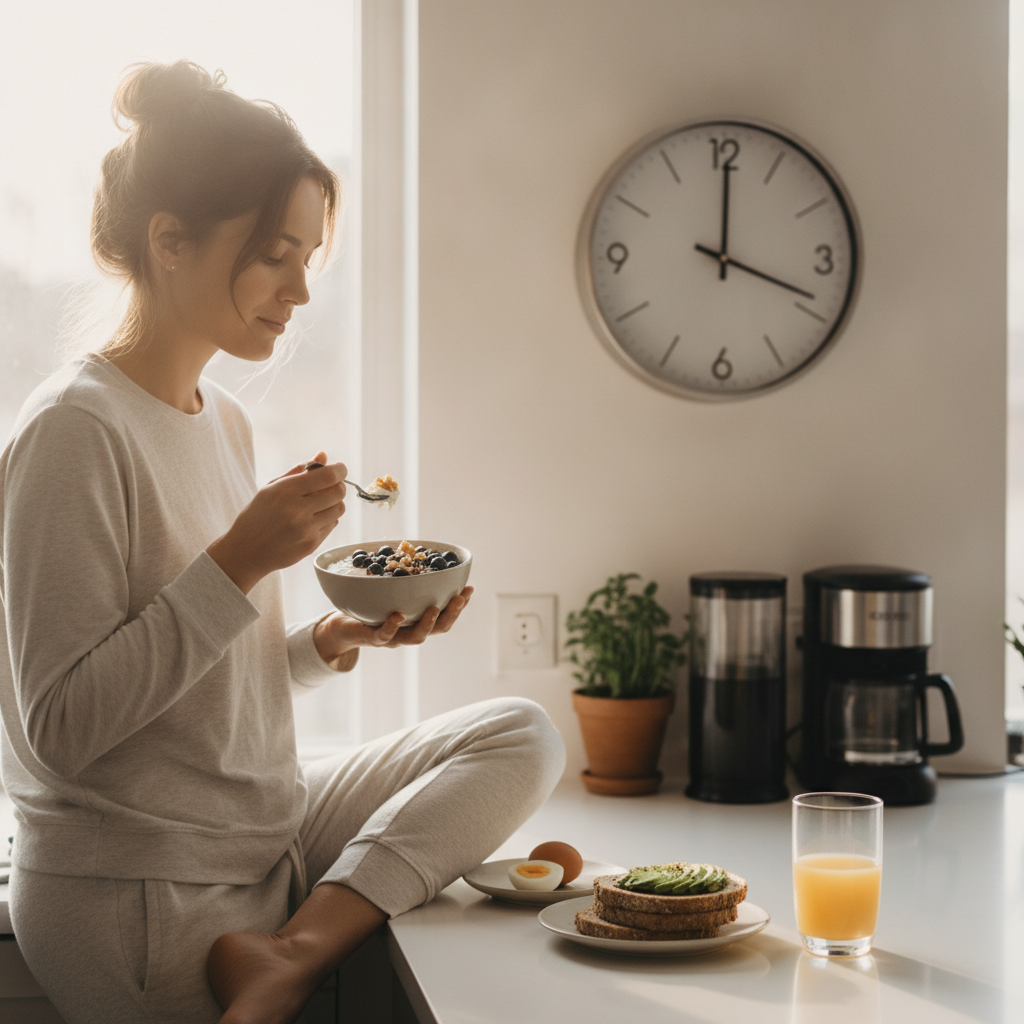
One underappreciated rhythm shift happens in the morning. When you're staying somewhere without kitchen access, mornings almost always begin with a search — for coffee, for breakfast, for somewhere to sit. That search costs time and money before the day has even started. A kettle, instant coffee, and a few snacks you picked up the night before buys you a quiet first hour on your own terms. For travelers who are introverted, jet-lagged, or simply prefer easing into the day, this is genuinely valuable. It's not about the coffee. It's about owning the first part of your morning instead of outsourcing it immediately.
Treat the Grocery Store as a Cultural Destination
Supermarkets, local minimarts, and neighborhood produce shops tell you a lot about a place. Walking into a Carrefour in southern France, a Mercadona in Valencia, or a small family-run konbini equivalent in a Japanese residential area shows you what people actually eat, what's cheap, what's seasonal, and how locals approach daily life. Even a brief stop where you pick up a few things for your kitchen gives you a completely different layer of local exposure than staying purely in restaurant and tourist circuits. You don't need a recipe. Just browse, buy something interesting, and bring it back.
Reduce the Mental Load of Constant Meal Planning
Deciding where to eat three times a day in an unfamiliar city is more draining than it sounds. Every meal becomes a research task — reviewing options, checking hours, factoring in location, managing expectations. When you have kitchen access, even a partial solution takes pressure off that cycle. If lunch was great but you're too tired to seek out dinner, the ability to throw something simple together or heat up leftovers means you don't have to push through decision fatigue at 8pm. That preserved mental energy tends to show up in better choices and more enjoyment across the rest of the trip.
Choose Accommodations That Make the Kitchen Actually Usable
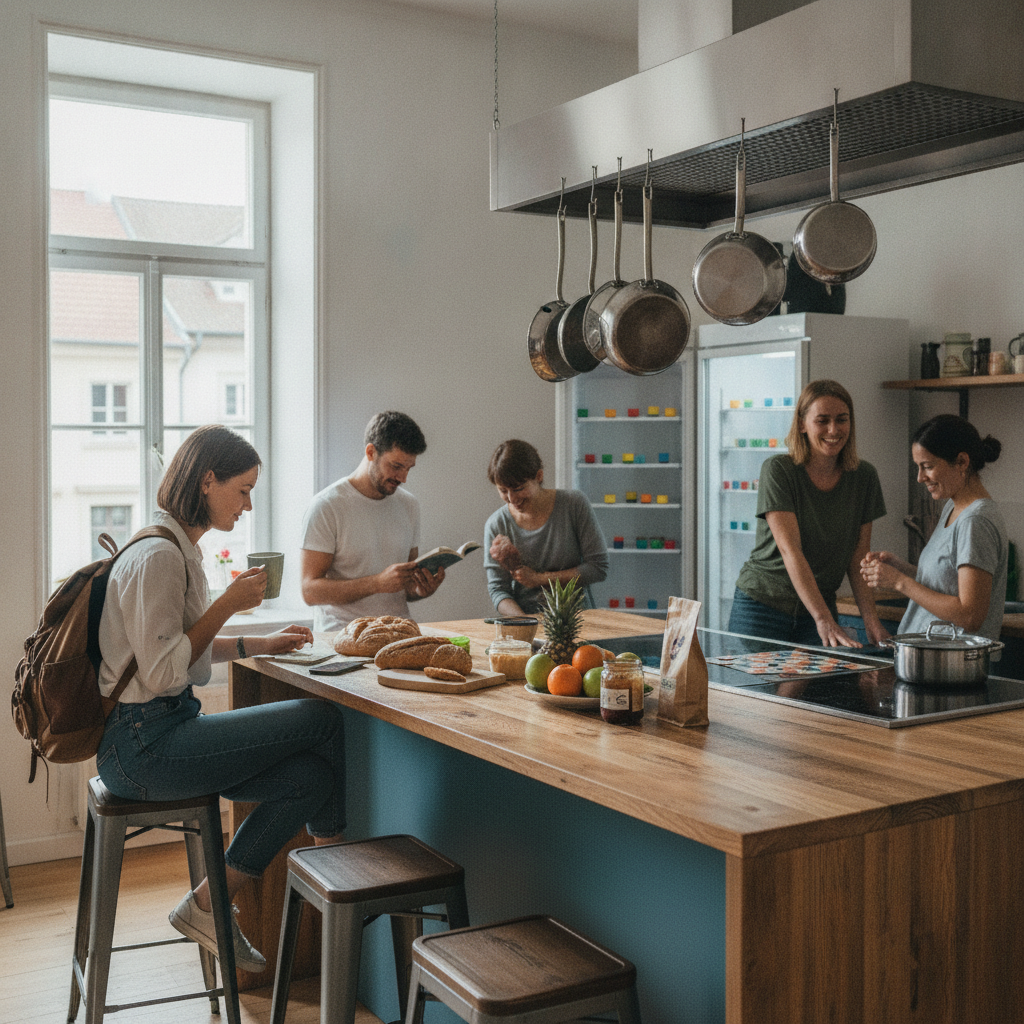
Not all kitchen access is equal. A shared hostel kitchen with one sticky pan and no counter space is a different experience from a well-equipped apartment kitchen. When filtering options on platforms like Booking.com or Airbnb, look for listings that specifically mention essentials — stovetop, refrigerator, kettle, and basic utensils. Read recent reviews for comments on cleanliness and equipment quality. A poorly maintained shared kitchen can add friction rather than remove it, so a few minutes of upfront research pays off. Prioritize listings where hosts or managers have clearly invested in making the space functional.
Recalibrate What 'Value' Looks Like in Accommodation Pricing
A mid-range hotel room might appear cheaper at first glance than an apartment with a full kitchen, but the comparison changes when you factor in what the kitchen offsets. A few mornings of in-room breakfast at a hotel, a couple of restaurant dinners that could have been simple fridge meals, and several overpriced coffees from lobby cafes can easily close the price gap — often tipping it in favor of the kitchen-equipped option. Running even a rough mental comparison before booking gives you a more honest picture of actual trip cost rather than just the nightly accommodation rate.
Let the Kitchen Shape Your Neighborhood Choice
Where you stay determines what kind of trip you have more than almost any other single factor. Opting for a kitchen-equipped place naturally pulls you toward residential neighborhoods rather than tourist-dense hotel zones. Those neighborhoods — the ones with actual grocery shops, local bakeries, and morning street food vendors — tend to be quieter, more affordable for eating out, and more representative of daily life in a place. Staying in a functional apartment in a lived-in part of a city puts you in closer contact with the texture of that place than any central hotel can. The kitchen becomes a reason to land somewhere more interesting.
As more travelers prioritize longer stays and slower itineraries, shared kitchen access is becoming a standard search filter rather than an afterthought. The short-term rental market continues to expand well-equipped apartment options in cities that previously skewed heavily toward hotels, making this style of travel more accessible across budget ranges. If you've been writing off kitchen-equipped accommodations as something only for long-term travelers or cooking enthusiasts, it's worth reconsidering — not as a lifestyle overhaul, but as a quiet practical upgrade that tends to make trips feel more grounded, more affordable, and a little more like real life in the best possible sense.