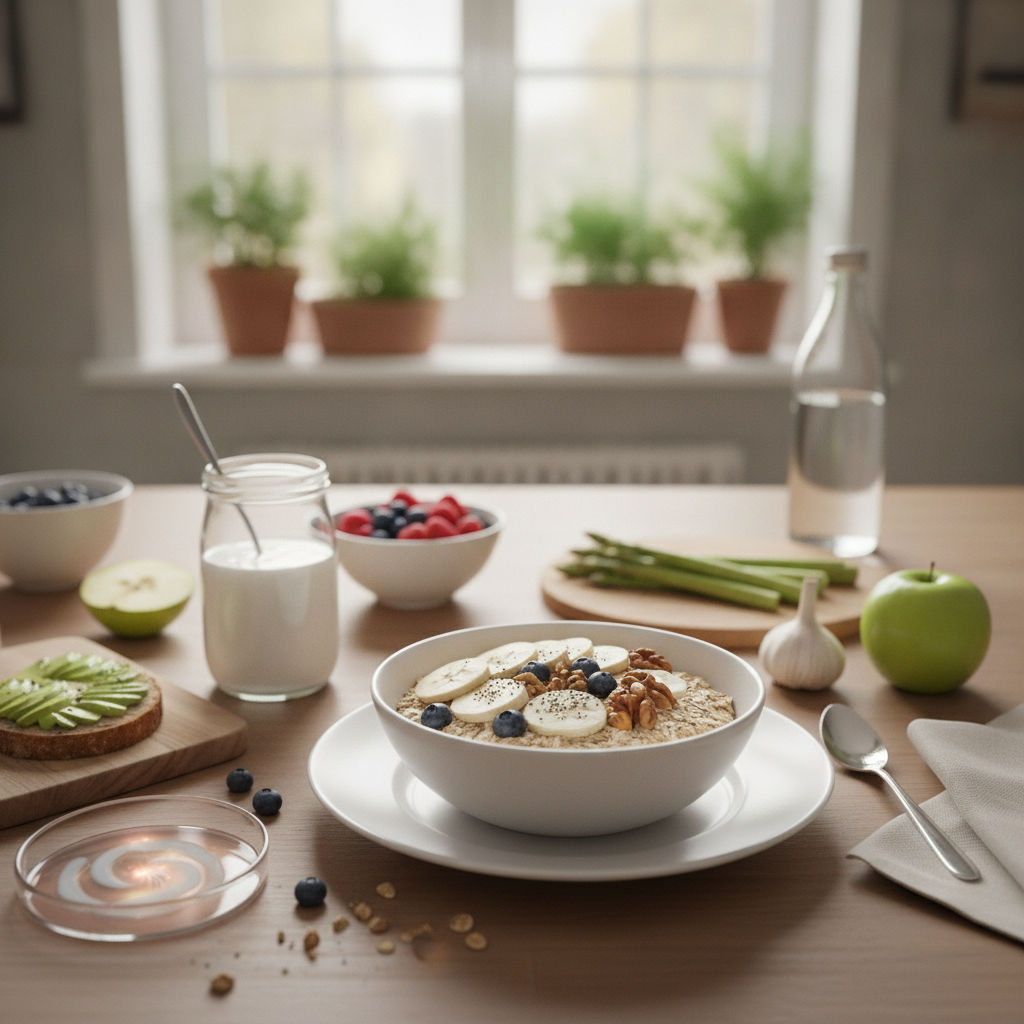
Timing matters far more in nutrition than most people realize, and nowhere is that clearer than with prebiotic foods. While general advice tells you to simply eat more fiber, garlic, and oats, the *when* shapes outcomes just as powerfully as the *what*. Research into circadian biology has revealed that your gut microbiome operates on a schedule, with bacterial populations shifting in activity and composition across a 24-hour cycle. Feeding those populations at the right moment — rather than randomly throughout the day — produces measurably richer microbial diversity by the time your body moves into its overnight repair phase.
Understand How Your Gut Clock Actually Works
Your gut contains its own set of biological clocks, synchronized to the same light-dark cycle that governs your sleep and hormone rhythms. Different bacterial strains peak in activity at different times of day, and the gut lining itself has varying permeability and motility depending on the hour. In the morning, transit is active, digestive enzymes are ramping up, and the microbial environment is primed to process complex carbohydrates and fibers. This makes the early part of the day a genuinely optimal window — not just a convenient one — for introducing prebiotic substrates.
Front-Load Your Prebiotics With Breakfast
The most practical application of this timing principle is structuring breakfast around foods that feed your beneficial bacteria directly. Oats are an excellent anchor here — their beta-glucan content acts as a preferred fuel source for *Bifidobacterium* and *Lactobacillus* strains. Adding sliced banana (especially slightly underripe), a spoonful of flaxseed, or a handful of cooked and cooled barley turns an ordinary breakfast into a targeted microbial feeding event. Apps like Cronometer can help you track prebiotic fiber intake if you want a clearer picture of what you're actually consuming each morning.
Use Onions, Garlic, and Leeks Early in Your Cooking
Allium vegetables — garlic, onions, leeks, and shallots — are among the richest sources of inulin and fructooligosaccharides, two types of prebiotic fiber with strong evidence behind them. Incorporating these into a morning savory meal, an early lunch, or even a mid-morning egg dish creates a concentrated microbial feeding window during your gut's most receptive period. Spreading these foods across the full day without intention tends to result in smaller, less impactful doses that don't reach the same fermentation threshold. Cooking them lightly rather than heavily preserves more of their prebiotic content.
Pair Prebiotics With Protein for a Sustained Feeding Effect
Consuming prebiotic foods alongside a protein source slows gastric emptying, which extends the period during which fermentable fibers are available to gut bacteria. A breakfast built around Greek yogurt with oats and banana, or eggs with sautéed leeks on whole grain toast, creates both a slower transit rate and a richer substrate environment. Brands like Siggi's and Chobani both produce high-protein yogurts that work well as a base here. This combination doesn't just feed bacteria — it feeds them more consistently across a longer stretch of the morning, which supports broader strain diversity.
Avoid Competing Compounds That Disrupt Morning Absorption
Certain compounds consumed at the same time as prebiotic foods can blunt their effect on the microbiome. Very high-fat meals slow motility enough that fermentable fibers may pass through the active bacterial zone too slowly. Excessive caffeine on an empty stomach before any food alters gut pH in ways that temporarily suppress beneficial bacterial activity. This doesn't mean avoiding coffee — it means eating your prebiotic-rich breakfast *before* or *alongside* your first cup rather than well after. Spacing matters. The goal is giving fibers clean access to a receptive, active gut environment.
Let Your Gut Rest and Consolidate in the Afternoon
Once you've front-loaded prebiotics in the morning, the afternoon becomes a period of fermentation and consolidation rather than continued feeding. Gut bacteria metabolize the morning's fiber input into short-chain fatty acids — including butyrate, acetate, and propionate — across the following several hours. These metabolites reduce gut inflammation, support the gut lining's integrity, and signal broader metabolic benefits throughout the body. If you continue flooding the system with new fermentable material throughout the day, you interrupt this process rather than letting it complete. A lighter, lower-fiber afternoon actually supports the morning's work.
Time Your Jerusalem Artichoke and Chicory Strategically
Jerusalem artichokes and chicory root are two of the most potent prebiotic sources available — and also among the most likely to cause bloating if introduced carelessly. Eating them in the morning gives your gut the longest possible active window to process their dense inulin content before your digestive activity naturally slows overnight. Roasting Jerusalem artichokes as part of a weekend brunch or adding chicory-based Crio Bru to a morning drink ritual are practical entry points. Starting with small amounts and building tolerance over two to three weeks prevents the discomfort that often leads people to abandon these foods prematurely.
Track Diversity Signals Over Two to Four Weeks
Improved gut microbiome diversity isn't something you'll feel in a single day, but within two to four weeks of consistent morning prebiotic timing, most people notice tangible changes — more regular digestion, reduced afternoon bloating, and more stable energy across the day. Home microbiome testing kits from companies like Viome allow you to measure bacterial diversity directly before and after a dietary shift, providing concrete feedback that adjusts motivation. The morning timing strategy isn't complicated to maintain once it becomes routine, but tracking outcomes early helps reinforce the habit before it becomes automatic.
The relationship between meal timing and gut health is an area gaining serious momentum in clinical nutrition. As understanding of the circadian microbiome deepens, personalized morning nutrition protocols — built around individual bacterial profiles rather than general guidelines — are likely to become a practical tool rather than a future concept. The foundational principle, though, is already clear: your gut has a rhythm, and working with it rather than around it produces results that random, unstructured eating simply cannot match.