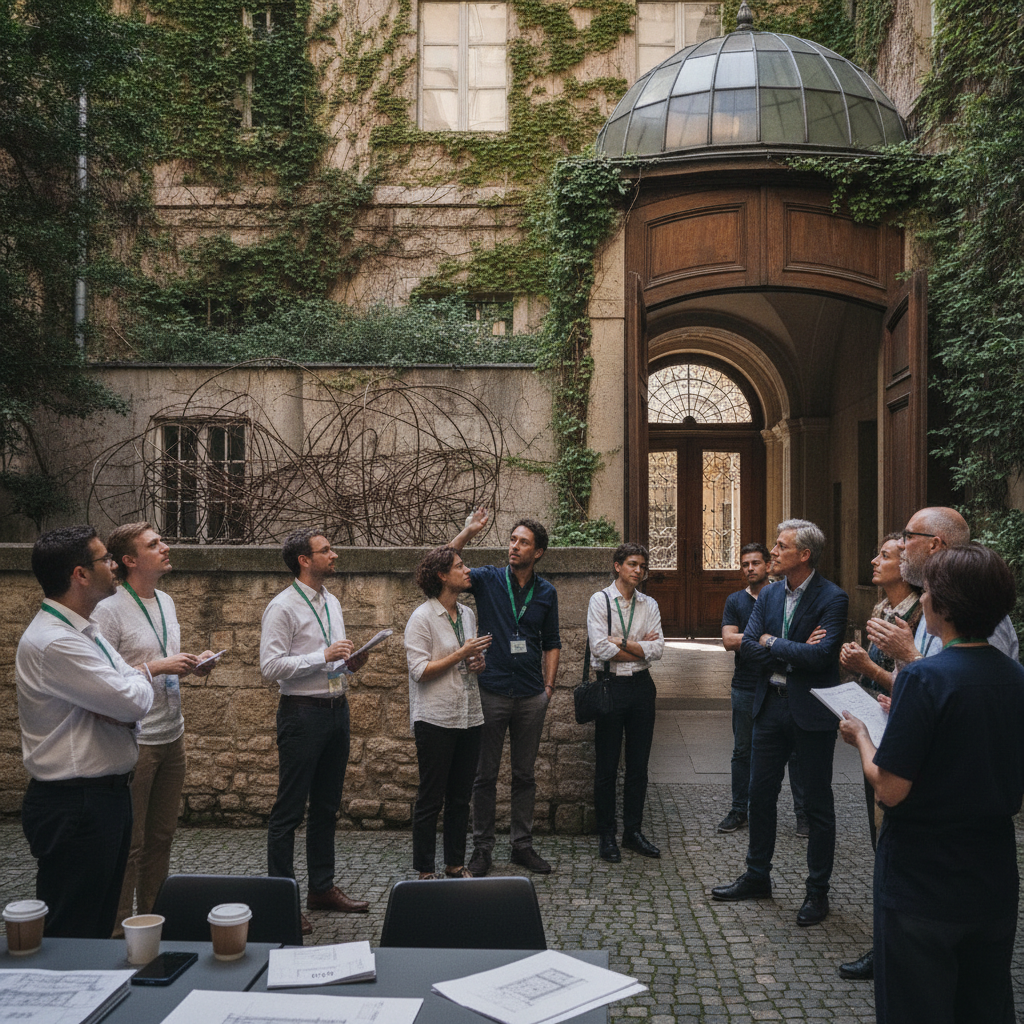
Friendship, at its most honest, is less about affection and more about attention — and attention, in an era of competing obligations, is among the rarest things one person can offer another. The prevailing model of adult social life tends to run on vague intentions: the standing promise to "catch up soon," the unanswered text thread that drifts into silence, the dinner that never gets scheduled because no one wants to be the one to commit to a date. What gets lost in this arrangement isn't warmth — most people genuinely care about the friends they're slowly losing touch with — but structure. Without structure, even the strongest connections tend to erode.
The Quiet Erosion of Unstructured Social Time
Open-ended socializing carries a hidden cost that rarely gets examined directly. When plans are loose — "let's get together sometime" — the responsibility for follow-through lives in a kind of social purgatory, belonging to no one in particular. This ambiguity creates low-level anxiety for everyone involved, as each party waits for the other to take initiative. Over months and years, these unclaimed moments accumulate into the peculiar grief of adult friendships that simply fade rather than end. The connection doesn't break; it just gradually becomes something that exists only in memory.
What Format-Driven Gatherings Actually Mean
A format-driven gathering — sometimes called a *ritualized social container* in behavioral design circles — is any recurring social event with a defined purpose, time, and structure. This doesn't mean it needs to be rigid or joyless. A monthly potluck where each person brings a dish from a different country, a biweekly film club modeled loosely on Letterboxd watchlists, a Sunday morning walk that meets at the same corner regardless of who shows up — all of these qualify. The format creates a vessel. Friendship fills it. The critical element is that the gathering exists as a recurring fact rather than a recurring intention, which removes the exhausting negotiation that open-ended plans require.
The Psychology of Predictable Presence
There's a concept in relational psychology called *secure attachment through consistency* — the idea that reliability, more than grand gestures, forms the emotional bedrock of trust between people. Format-driven gatherings operationalize this principle in the most practical way possible. When a friend knows that the third Saturday of every month means a shared meal at a particular kitchen table in Portland's Sellwood neighborhood, they don't have to wonder whether they're being prioritized. The structure itself communicates care. It says, without words, that this time has been set aside and protected. That message lands differently than any sincere but vague expression of affection.
How Format Reduces Social Fatigue and Decision Load
One underappreciated benefit of structured gatherings is the way they collapse the decision fatigue that often prevents casual plans from materializing at all. Choosing a restaurant, agreeing on a time, confirming attendance, managing cancellations — each of these micro-decisions extracts a small but real cognitive toll. When a gathering has a fixed format, most of those decisions disappear. The time is already known. The location is already understood. The nature of the evening is already agreed upon. Apps like Partiful have made recurring group coordination easier, but the format itself is the real labor-saving mechanism. Fewer choices mean less friction, and less friction means the gathering actually happens.
The Cultural Precedent for Ritualized Gathering
Across many cultures, ritualized social structures have served as the primary architecture of community life. In Japan, the concept of *moai* — a small group of lifelong friends who meet regularly and support one another financially and emotionally — has been linked to the extraordinary longevity of communities in Okinawa. In West African traditions, the *susu* or rotating savings circle doubles as a regular social gathering that sustains relationships through shared purpose. In Scandinavian countries, *fredagsmys* (Friday coziness) describes the cultural norm of a low-key, dependable weekly gathering, often at home. These aren't coincidences. They reflect a broadly human recognition that friendship, left entirely to spontaneity, tends to lose to competing demands.
Presence as a Practice, Not a Feeling
When a gathering has structure, something shifts in the quality of attention that participants bring. Open-ended plans often carry the residue of the negotiation that produced them — the back-and-forth, the compromises, the mild guilt about how long it's been. Format-driven gatherings, by contrast, tend to begin clean. The participants arrive having made a single decision — to show up — rather than a dozen smaller ones. This simplicity creates space for genuine presence. Conversation tends to go deeper, not because the format demands it, but because the logistics have already been resolved. The evening belongs to the people in it rather than to the process of organizing them.
Choosing a Format That Fits Your Actual Life
The most effective social formats are ones that fit naturally around existing rhythms rather than demanding significant rearrangement of them. If you live near a farmers market in a walkable neighborhood — the kind found in cities like Asheville or Montréal — a standing Saturday morning walk with a friend group that ends at a coffee stall requires almost no logistical overhead. A monthly cookbook dinner where each attendee cooks one dish from a single regional cuisine scales easily from two people to twelve. The format doesn't need to be ambitious; it needs to be repeatable. Start with something that feels almost too simple, and trust that the consistency itself will do the relational work over time.
Friendship has always required more than goodwill — it has required the willingness to show up, again and again, in ways that a busy life will perpetually try to crowd out. The insight behind format-driven gatherings is not that spontaneity is without value, but that spontaneity alone is an unreliable foundation for the kind of sustained, attentive presence that meaningful relationships require. Structure, far from constraining connection, creates the conditions in which connection can reliably occur. What begins as a recurring appointment gradually becomes something far more significant: a standing reminder that the people in your life are worth the small act of showing up.