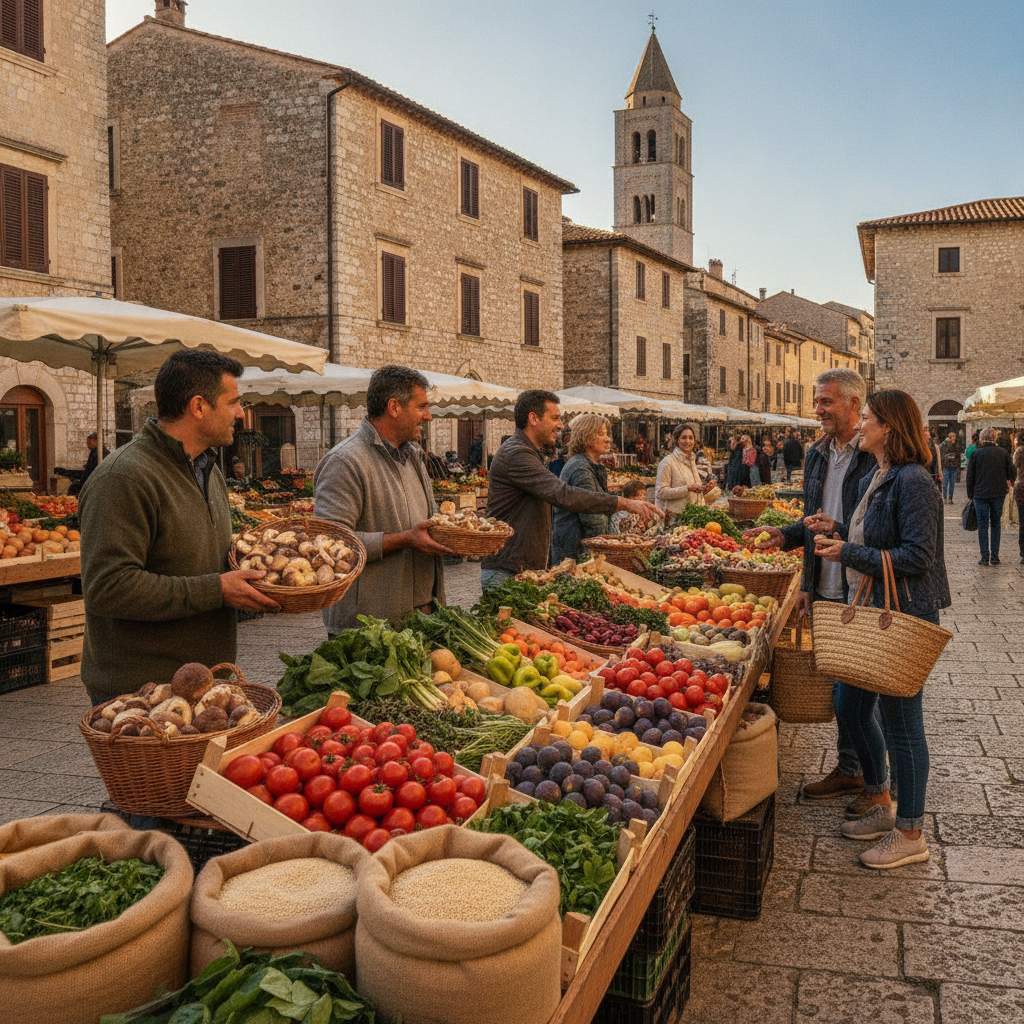
Timing is the invisible architecture of every great trip. Most travelers focus on flights, accommodation, and itineraries — but the most transformative travel experiences often come down to something far simpler: being in the right place when the land itself is doing something remarkable. Arriving when a region is mid-harvest, when its fields are full and its people are at their most purposeful, changes the entire character of a visit in ways that no amount of careful planning can replicate.
This isn't about chasing festivals or ticking seasonal boxes. It's about understanding that agricultural rhythms shape everything — what's on the menu, how locals spend their days, which roads fill with truck traffic, which villages smell of woodsmoke and pressed fruit. When you align your travel dates with a region's productive season, you stop being a spectator of a curated version of a place and start encountering it as it actually functions.
When the Calendar Becomes Your Most Useful Packing Item
Every region has a pulse, and agriculture sets the tempo. In Provence, the lavender harvest runs through July, but the olive pressing season begins quietly in late October and carries a completely different emotional texture — less photographed, more honest. In coastal Portugal's Douro Valley, the grape harvest in September draws local families back from cities to work alongside hired pickers, and village restaurants shift their menus entirely around what's been pressed that week. In rural Japan's Yamagata Prefecture, the cherry and pear harvests in late summer bring a kind of communal energy to small towns that no guidebook can adequately describe.
What these moments have in common is access. When a region is productively busy, its residents are engaged with each other and with their land in ways that make casual, genuine interaction almost inevitable. You're not interrupting anything — you're arriving when there's actually something happening.
The research required to find this information is less complicated than it sounds. Apps like Harvest Host and platforms like Airbnb Experiences increasingly surface farm-stay options and agricultural experiences tied to specific seasonal windows. Google Earth's crop calendar data, while designed for agricultural professionals, is surprisingly readable for curious travelers trying to understand what's growing where and when. A few evenings of reading regional food blogs or contacting a local guesthouse directly will often reveal more precise timing than any mainstream travel site.
Reading the Seasons Before You Read the Reviews
One of the more practical advantages of agricultural timing is what it does to your daily costs and experience quality simultaneously. Harvest seasons are rarely peak tourist seasons in the conventional sense. The travelers crowding a destination's famous viewpoints in August are often entirely absent from the same village in October when the winemakers are working sixteen-hour days and the local trattoria is serving dishes that exist for three weeks a year and then disappear entirely.
Planning around these windows takes a small shift in approach. Instead of opening a booking platform and searching by price or popularity, you start with the question of what the land in your target region is doing at a given time of year. A rice harvest in Bali's Tegalalang terraces in April looks and feels completely different from the same fields two months earlier. The Sicilian almond harvest in late summer fills the air around Agrigento with a scent that photographs simply cannot carry. These details are not incidental — they are the experience.
Once you've identified the agricultural moment you want to witness, tools like Komoot and local tourism board websites can help you map walking or cycling routes through the working farmland itself. Many regions with strong agricultural identities have developed trail systems specifically designed to pass through active orchards, vineyards, and market gardens — not as tourist attractions, but as practical pathways that locals actually use.
It's worth reaching out to accommodation directly rather than booking through aggregators when you're timing a trip around harvest. A family-run guesthouse or agriturismo often has better information about when activity peaks than any platform algorithm. They'll also tell you honestly when the most interesting two weeks actually fall, which may not match what the broader tourism calendar suggests.
The Deeper Shift That Seasonal Awareness Produces
When you start thinking about travel through an agricultural lens, something changes in how you approach the entire planning process. You become less interested in fitting the most locations into a given window and more interested in being in the right one place at the right moment. That shift — from coverage to depth — is what consistently produces the trips that stay with you.
The food alone justifies the approach. Eating tomatoes in southern Italy's Campania region during the late-summer harvest, or tasting freshly pressed olive oil in Greece's Peloponnese in November, or buying still-warm walnut paste at a market stall in Burgundy during the nut harvest — these are flavor experiences that exist in a genuinely narrow window. They cannot be approximated at other times of year regardless of restaurant quality or budget.
As agricultural tourism continues to grow as a recognized category, more regions are developing structured ways to connect visitors with working farms, cooperative press houses, and harvest events. Organizations in places like Tuscany, Oaxaca, and the Loire Valley are building formal programs that allow travelers to participate in harvests for a day or a week rather than simply observe them. The gap between traveler and local resident narrows considerably when you're both standing in the same field with the same purpose. That's a kind of connection that a well-reviewed tour simply cannot engineer — and it starts with knowing what season you're walking into before you ever book the flight.