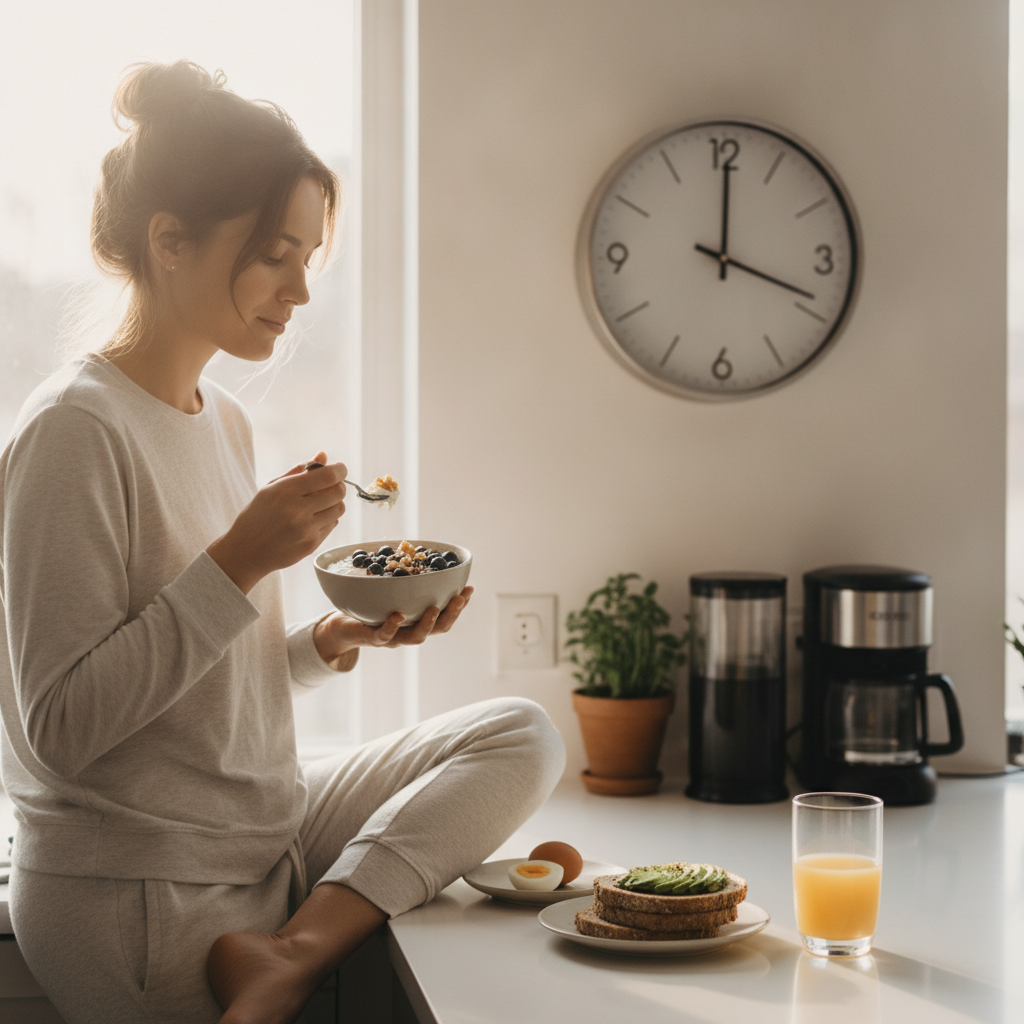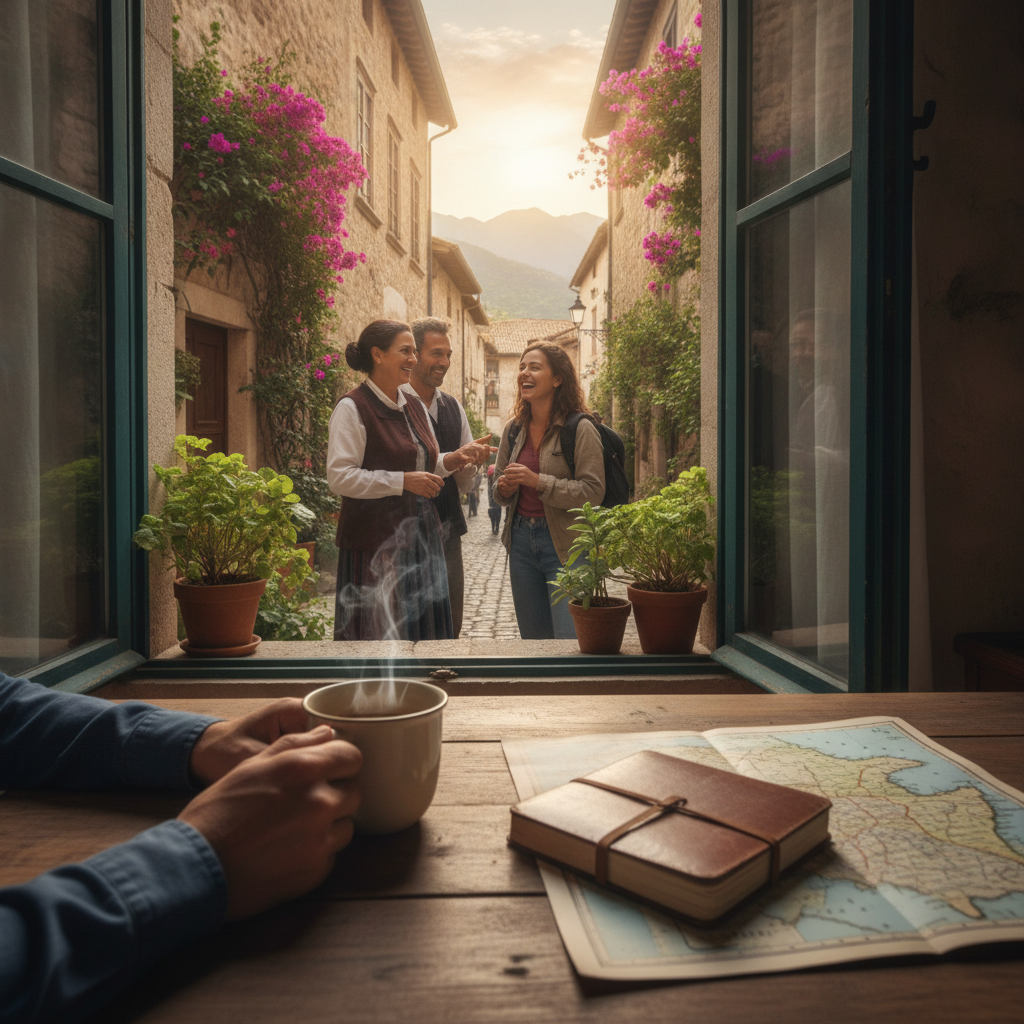
There is a particular kind of morning that only happens in a certain type of place — the kind where the smell of someone else's family breakfast drifts under your door, where the sound of a neighborhood waking up replaces the hum of a hotel corridor, and where the person who hands you your key also tells you which lane market to visit before it closes at noon. This is the atmosphere of the locally owned guesthouse, and it's one that chain hospitality, for all its efficiency, has never quite been able to manufacture.
Travelers have long understood, at least instinctively, that accommodation is more than a place to sleep. Where you stay shapes the rhythm of your days, determines which version of a city you're exposed to, and influences whether you leave a destination feeling like you visited it or actually inhabited it, however briefly. The guesthouse — known in parts of Southeast Asia as a *penginapan*, in Ethiopia as a *bet mengist*, and across the Mediterranean as a *pensione* — operates on a fundamentally different logic than the branded hotel. It is, in essence, someone's livelihood and often someone's home, and that intimacy changes everything.
The Economics of Sleeping Local
Money spent at a locally owned guesthouse circulates differently than money paid to an international hotel chain. When a traveler books a room at a family-run property in Chiang Mai's Nimman neighborhood or a small *riad* in Fez's medina, a far greater portion of that payment stays within the local economy — funding the owner's grocery shopping, the part-time staff member's wages, the plumber called in to fix a pipe. Chain hotels, by contrast, route significant revenue back to corporate headquarters, often located thousands of kilometers from the destination itself. This isn't a moral judgment so much as a structural reality, and travelers who understand it tend to make more deliberate choices about where their money goes.
What Proximity to Owners Actually Reveals
The most underrated feature of a locally owned guesthouse is access — not to amenities, but to knowledge. Owners and their families tend to be primary sources of the kind of information that doesn't appear on travel apps: the bus that actually runs on time, the restaurant that stopped being good two years ago but still ranks highly online, the festival happening three villages away next weekend. In Tbilisi's Marjanishvili district, guesthouse hosts have been known to walk guests to a local bakery simply because no map application had listed it correctly. This kind of guidance isn't a service offering — it's hospitality in its older, more elemental sense, rooted in the concept of *xenia*, the ancient Greek tradition of generosity shown to strangers.
Architecture, Scale, and the Feeling of Place
Locally owned guesthouses are almost always embedded in the actual fabric of a neighborhood rather than isolated behind a lobby and a parking structure. They occupy converted family homes, century-old townhouses, or repurposed merchant buildings — the kind of structures that carry a region's architectural language in their proportions and materials. Staying in a converted *haveli* in Jaipur's old city, for instance, places a traveler inside a living conversation between past and present that no modern hotel tower on the city's outskirts can replicate. The scale is human. The sounds are local. The view from the window is of real life rather than a curated arrival experience.
The Slow Recalibration of Expectations
Guests who stay in locally owned guesthouses long enough — even just three or four nights — tend to report a specific kind of recalibration. The pace slows. The urge to check off attractions softens. There's less pressure to perform tourism and more room to simply be in a place. Part of this is structural: without a concierge desk steering guests toward partner tour companies, there's space to wonder, to ask different questions, to stumble onto things. Part of it is social: sharing a breakfast table with other long-stay guests or with the owner's extended family has a grounding effect that is difficult to replicate in the anonymity of a large hotel. The guesthouse, almost by design, rewards slowness.
Choosing Well in a Crowded Market
Not every guesthouse delivers on its promise, and the category has grown crowded enough that discernment matters. Platforms like Booking.com and Hostelworld list thousands of independently owned properties, but reviews alone don't tell the full story. Experienced travelers have learned to look for properties where the owner responds personally to inquiries, where photos show genuine spaces rather than heavily staged interiors, and where the listing reads like it was written by a human being rather than optimized for search. Neighborhoods matter too — a guesthouse in a residential quarter tends to offer a more textured experience than one positioned squarely in a tourist district, however convenient the latter might seem on arrival.
Traveling as a Guest Rather Than a Customer
The shift in how you carry yourself, when you choose this kind of accommodation, is subtle but real. You become less a customer moving through a transaction and more a guest passing through someone's world. You learn to say thank you in the local language because the person you're thanking will notice. You bring back something from the market because the host mentioned she was out of a particular spice. You ask questions not because you need the answer for your itinerary but because the person across the table has something genuinely worth hearing. This is the quiet transformation that travel writers have long pointed toward without always naming directly — the shift from consuming a place to, briefly, belonging to it.
That morning smell under the door, the borrowed key, the half-overheard family conversation in a language you don't speak — these are not inconveniences to be managed. They are the texture of genuine travel, the kind that stays with a person long after the photographs have blurred together. The locally owned guesthouse doesn't just change where you sleep. It changes what you notice, what you remember, and what kind of traveler you gradually become.