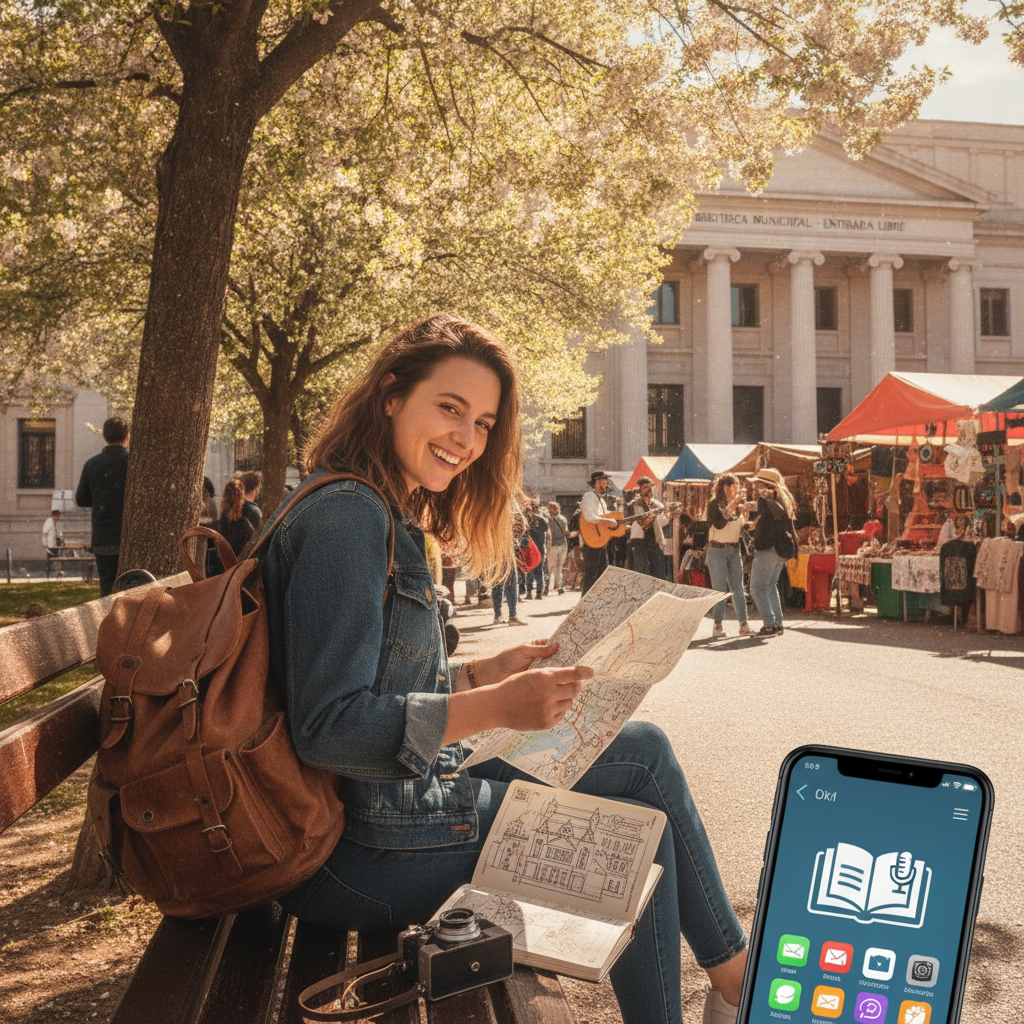
Most cities quietly fund a surprising range of cultural experiences that visitors never find — not because they're hidden, but because travelers simply don't think to look before they book. Municipal governments, regional arts councils, and public institutions regularly offer free concerts, gallery access, guided walking tours, open-air cinema screenings, and community festivals that rival anything you'd pay for through a tour operator. The gap between what's freely available and what most travelers actually experience comes down almost entirely to preparation.
Start With the City's Official Cultural Calendar
Every major city — and most mid-sized ones — maintains a public events calendar through its official tourism or municipal website. Before you finalize your itinerary, spend an hour on those pages looking for free programming during your travel window. Cities like Lisbon, Lyon, and Medellín publish detailed monthly cultural schedules that include free museum days, neighborhood arts walks, and civic concerts. This single step often reveals three or four activities worth anchoring your trip around, and it costs nothing but a bit of time at the planning stage.
Cross-Reference With Local Tourism Board Resources
Beyond the municipal site, regional tourism boards frequently maintain separate listings that aggregate free offerings across institutions, parks, and community organizations. These pages tend to be more curated and traveler-friendly than official government calendars. Look specifically for sections labeled "free events," "public programming," or "this week in [city]." The Spanish tourism board's regional pages, for instance, regularly feature free flamenco performances, architectural open days, and heritage walks that don't appear on third-party travel platforms. Tourism boards want visitors to engage — they've already done a lot of the curation work for you.
Map Free Museum Entry Days Early
A significant number of national and municipal museums offer free admission on specific days or during particular hours. In many European cities, the first Sunday of the month unlocks access to institutions that otherwise charge substantial entry fees. Paris is the obvious example, but similar policies exist across cities in Portugal, Italy, and throughout Latin America. Structuring even two or three days of your trip around these windows can recover a meaningful portion of your daily budget, freeing up spending for food, transport, and the kinds of spontaneous moments that actually define a trip.
Use Apps Like Eventbrite and Meetup for Local Public Events
While these platforms aren't exclusively focused on free content, filtering by price reveals a consistent flow of community events, outdoor markets, public readings, and civic performances in almost every destination worth visiting. Eventbrite's free filter is particularly useful in North American and Australian cities, where community arts programming tends to be robust but scattered across dozens of organizing groups. Meetup surfaces recurring local gatherings — language exchanges, neighborhood walks, public skill-shares — that put you in genuine contact with residents rather than other tourists. That combination of cost and authenticity is hard to beat.
Research Public Parks and Their Programming Schedules
Urban parks in many cities run structured cultural programs throughout warmer months, including outdoor concerts, film screenings, theatrical performances, and art installations — all free to attend. New York's Bryant Park and Central Park are well-known for this, but the same pattern holds in cities far less visited. Buenos Aires' Parque Centenario hosts weekend music events and open-air markets that offer a genuinely local experience. Before you arrive, a quick search of your destination's major park name alongside words like "events," "concerts," or "schedule" often surfaces a calendar that changes the shape of your entire trip.
Look for Municipal Gallery Networks, Not Just Flagship Museums
Most travelers focus on the headline museum and miss the city-run gallery network that surrounds it. Municipal galleries — often housed in converted civic buildings, former factories, or historic palaces — regularly feature rotating exhibitions with free entry and far smaller crowds. In cities like Porto and Ghent, the municipal gallery system is extensive and well-maintained. These spaces tend to reflect what the local arts community is actually producing right now, rather than a permanent collection assembled over decades. They're also where you're far more likely to strike up a conversation with someone who lives there.
Build a Simple Spreadsheet Before You Pack
Once you've gathered your research across municipal sites, tourism boards, park schedules, and apps, consolidate it into a simple date-ordered list. You don't need anything elaborate — a basic spreadsheet or even a notes app with dates and locations is enough. The point is to turn scattered information into a usable reference you can check each morning. Travelers who do this even partially tend to arrive with a mental map of the week that keeps them from defaulting to expensive tourist circuits simply because nothing else comes to mind in the moment.
Treat Free Programming as the Frame, Not the Filler
The most effective way to use municipal cultural offerings isn't as a way to kill time between paid activities — it's to build your entire itinerary structure around them. When a free outdoor concert anchors your Thursday evening, or a free architecture walk shapes your Tuesday morning, the paid experiences you do choose feel more intentional and better placed. This approach also tends to reduce the frantic pace that inflates trip costs through impulse decisions. A trip framed around free civic culture moves at a slower, more deliberate rhythm — and that rhythm, more than any specific attraction, is often what you remember most.
As cities increasingly compete for culturally engaged visitors, the trend toward expanding and publicizing free public programming is only strengthening. More municipalities are investing in digital event infrastructure, multilingual cultural calendars, and partnerships with transit systems that make free offerings easier to reach. Travelers who build the habit of researching this layer before they arrive will find that the gap between a budget trip and a deeply rewarding one keeps narrowing — not because travel is getting cheaper across the board, but because the best parts of a city were never for sale in the first place.