Small habits rarely get the credit they deserve, and the post-lunch walk is one of the most underrated tools in everyday health. It costs nothing, requires no equipment, and fits into almost any schedule — yet its effects on how you feel through the rest of the afternoon are genuinely significant. Ten minutes of gentle movement after eating isn't a consolation prize for people who can't make it to the gym. It's a targeted intervention that works with your body's natural rhythms at one of the most metabolically active moments of the day.
The Afternoon Slump Is Real — and Preventable
That heavy, foggy feeling that settles in around 2 or 3 p.m. has a physiological basis. After a meal, your body redirects blood flow toward the digestive system, and blood sugar rises before gradually dropping again. If you stay seated through that entire process, the dip in alertness can feel like a wall. Moving your body — even at a leisurely pace — helps moderate that blood sugar curve by encouraging your muscles to take up glucose from the bloodstream. The result is a softer landing instead of a crash.
Timing Makes the Difference
The timing of the walk matters more than most people realize. Starting within 10 to 20 minutes of finishing your meal is the sweet spot where movement can meaningfully influence the post-meal blood sugar response. Waiting an hour puts you past the window where the effect is strongest. You don't need to rush out the door mid-bite, but a prompt, relaxed stroll outperforms both sitting still and exercising too long after the meal has already been processed.
How Gentle Movement Supports Digestion
Digestion is a muscular process, and walking encourages the gentle contractions — known as peristalsis — that move food through your gastrointestinal tract. When you stay sedentary after eating, that process slows down, which can contribute to bloating, heaviness, and general discomfort. A light walk stimulates gut motility without redirecting too much blood away from the digestive organs the way intense exercise would. It's a kind of cooperation with your body rather than a competition.
What Pace Actually Works
You don't need to power-walk or hit any specific step count to get the benefit. A comfortable, conversational pace is ideal — the kind where you could talk without effort. The goal isn't cardiovascular conditioning here; it's gentle activation. Tracking apps like Google Fit or Apple Health can help you confirm you're moving consistently, but honestly, you don't need data to feel the difference. After a week of post-lunch walks, the afternoon contrast between days you walked and days you didn't becomes noticeable on its own.
The Blood Sugar Connection Worth Understanding
Post-meal blood sugar regulation is one of the most well-supported reasons to take this habit seriously. When glucose enters the bloodstream after a meal, your body works to process and store it. Muscle contractions during walking help accelerate that uptake, reducing the peak of the blood sugar spike. Over time, consistently moderating those peaks supports metabolic health in ways that extend well beyond how you feel on any single afternoon. For people managing or trying to prevent blood sugar concerns, this habit sits alongside dietary choices as a practical, low-effort lever.
Pairing the Walk With Mindful Awareness
Using the walk as a sensory reset — rather than scrolling your phone or taking calls — adds a layer of mental benefit on top of the physical one. Apps like Headspace offer short guided walking meditations, and Calm has ambient audio specifically designed for outdoor movement. Even without an app, keeping your attention on your surroundings rather than your inbox gives your nervous system a break from the cognitive load of the workday. That mental pause is part of why people who take post-lunch walks often return to afternoon tasks with noticeably sharper focus.
Building the Habit Without Overhauling Your Day
The biggest obstacle to a post-lunch walk usually isn't motivation — it's logistics. Most people eat lunch at a desk or in a break room and slip back into work mode before they've had a chance to think about moving. The fix is almost always structural rather than motivational. Setting a recurring midday reminder through your phone's calendar or a habit tracker like Streaks helps anchor the walk to an existing routine rather than relying on willpower. Even walking around the block once, or doing laps around a parking lot, counts.
Making It Work Through Seasonal Shifts
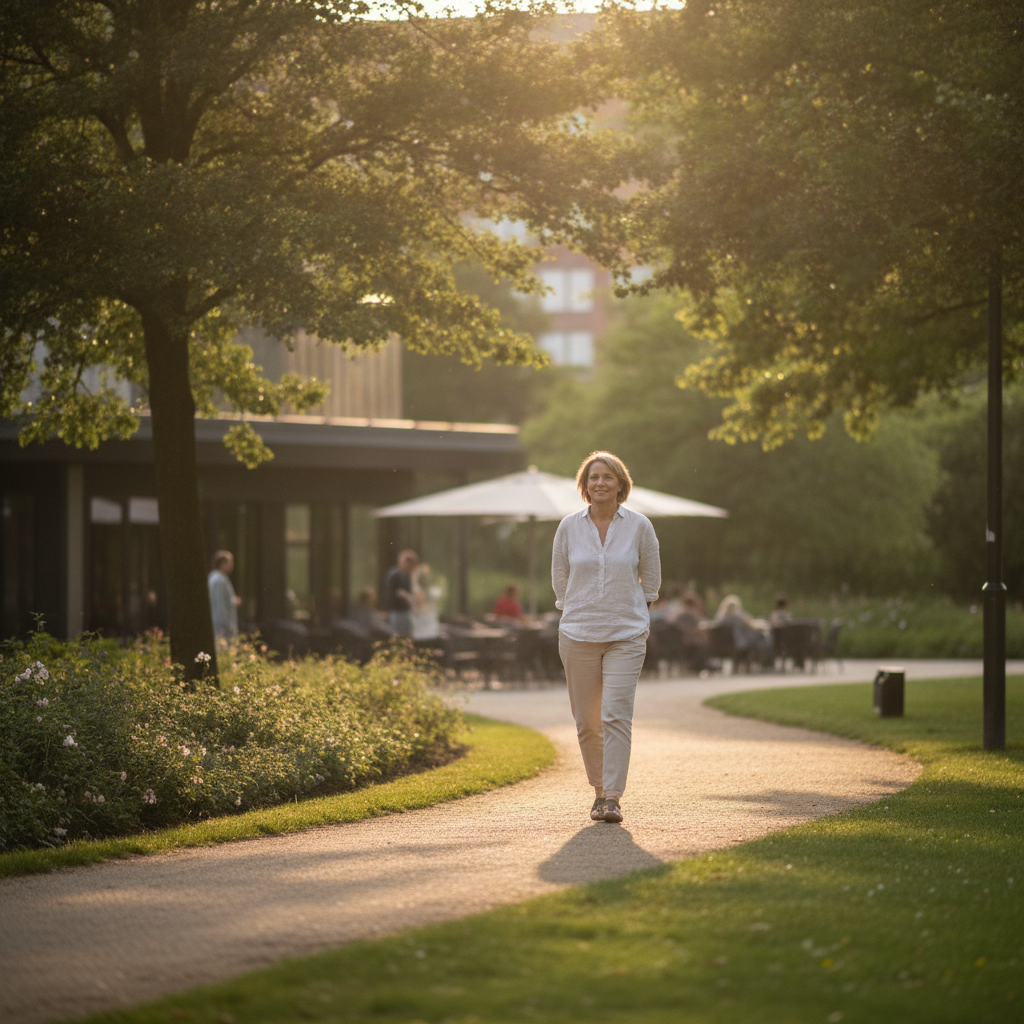
As the warmer months settle in, post-lunch walks become easier to sustain — there's natural light, comfortable temperatures, and the sensory appeal of being outside. But the habit is worth protecting year-round. In colder months, a short indoor route through a building or a brisk covered walkway preserves the physiological benefit even when the weather isn't inviting. The seasonal temptation to skip it in winter is real, but so is the value of maintaining consistent post-meal movement regardless of what's outside.
What to Expect After Two Weeks
Most people notice changes within the first two weeks of consistent post-lunch walking. The afternoon energy dip becomes less pronounced, digestion feels more comfortable, and the transition back into focused work after lunch gets easier. These aren't dramatic transformations — they're quiet, cumulative improvements that add up to a noticeably better second half of the day. That kind of reliable, low-cost return on a small habit is exactly what makes the post-lunch walk worth protecting on your schedule.
As wearable technology continues to improve and more people track their post-meal glucose patterns using continuous monitors, the data supporting short post-meal walks will only become more personalized and compelling. What's already clear is that this habit punches well above its weight. Ten minutes, done consistently, reshapes the rhythm of your entire afternoon — and that's a return worth planning around.