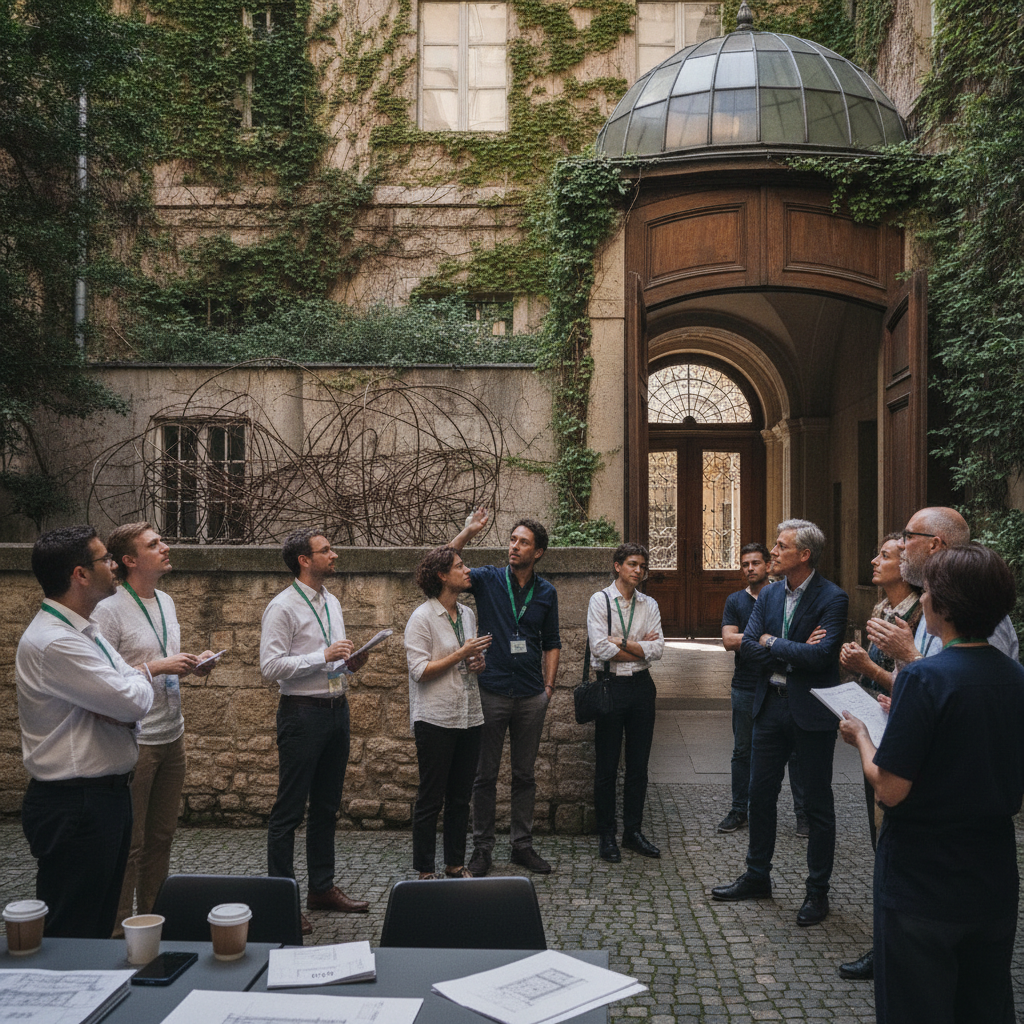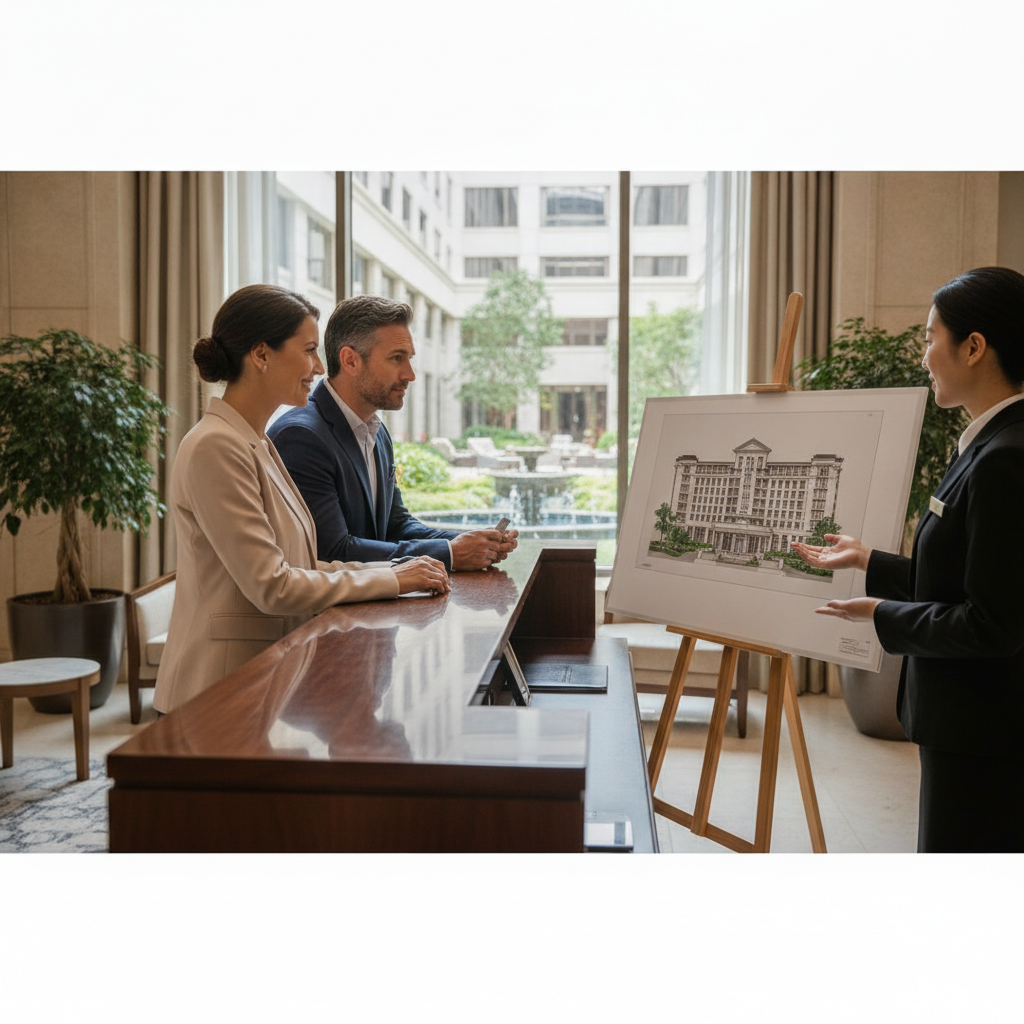
Most hotel guests make room requests based on what they can see — a city view, an ocean-facing balcony, a higher floor. But the factors that most reliably determine whether a stay feels restful or frustrating have almost nothing to do with the window. Building layout shapes your experience in ways that never appear on a booking site: noise exposure, foot traffic past your door, elevator proximity, and how far you walk every time you leave the room. Once you start thinking in terms of structure rather than scenery, your choices at check-in become noticeably sharper.
You're probably already aware that hotel rooms vary more than the price difference suggests. What's less obvious is that a deliberate, layout-informed request — made politely at the front desk — costs nothing and regularly results in a meaningfully better stay. The tips below break down exactly what to ask for and why each element matters.
Ask for a Room Away From the Elevator Bank
Elevator lobbies are among the noisiest corridors in any hotel, regardless of star rating. Doors open and close throughout the night, guests congregate waiting for lifts, and the mechanical hum of the shaft itself carries through thin walls. Rooms positioned within two or three doors of the elevator bank absorb all of this. When you check in, simply ask the front desk agent whether the room assigned to you is near the elevators — most will tell you honestly and can often reassign you to a quieter corridor at no cost.
Choose an End-of-Corridor Room When Available
Rooms at the far end of a hallway receive a fraction of the foot traffic that mid-corridor rooms absorb throughout the day. Fewer guests pass your door, which means fewer voices, fewer rolling suitcases, and fewer incidental sounds bleeding through. End rooms at properties like the Marriott or Hilton brands are also frequently slightly larger due to how corner square footage is distributed across a floor plan. Requesting an end-of-corridor placement is one of the simplest structural asks you can make, and front desk staff rarely hesitate to accommodate it.
Avoid Rooms Directly Above High-Traffic Spaces
Kitchens, bars, loading docks, and hotel gyms all generate noise and vibration that travels upward through the building's structure. A room on the second floor directly above a hotel restaurant in a property like the InterContinental or a boutique in Rome's Trastevere neighborhood will absorb ambient noise from service hours that often extend past midnight. Before accepting your room assignment, ask the front desk which floor sits directly above the kitchen or bar area. Knowing this one detail lets you request a room on a higher floor or opposite wing without any guesswork.
Request a Room Distant From the Ice and Vending Machines
This is an overlooked detail that experienced travelers rarely ignore. Ice machines cycle on at unpredictable intervals throughout the night, producing a mechanical grinding noise that carries well beyond the immediate alcove. Guests retrieving ice at 2 a.m. tend to let the machine run fully, adding door noise and conversation to the mix. Rooms adjacent to vending alcoves share similar problems. A simple question — "Is this room near the ice machine or vending area?" — takes ten seconds at check-in and can spare you a disrupted night.
Prioritize Middle Floors for Noise-to-Convenience Balance
Very high floors attract guests specifically for views, which means corridors on those floors tend to fill with travelers who are excited and social. Ground-floor rooms face street noise, delivery schedules, and reduced security privacy. Middle floors — roughly the third through sixth in most mid-rise properties — tend to sit in a quieter operational band. They're accessible enough to be convenient but don't carry the foot traffic concentration of the lobby level or the view-seeker clustering of upper floors. At check-in, simply ask for a middle floor if one is available in your room category.
Factor in Proximity to Stairwells on Busy Weekends
Stairwells see heavy use during peak occupancy periods — weekend stays, conferences, and holiday blocks — because guests who don't want to wait for elevators use them frequently. The doors to stairwells are typically heavy and self-closing, which creates a repetitive thudding sound in adjacent rooms. At properties in cities like Barcelona or Bangkok during high season, this can be a significant sleep disruptor. When requesting your room, ask whether your assigned space is adjacent to a stairwell entry. It's a question that takes seconds and reflects a level of awareness that often prompts front desk staff to offer a more thoughtfully placed room.
Ask Whether the Room Sits on a Corner With External Wall Exposure
Corner rooms offer structural advantages beyond size. They typically share fewer walls with neighboring guest rooms, which reduces the transmission of sound from adjacent occupants. The tradeoff is occasionally more external noise from street-facing walls, particularly in urban properties. The right answer depends on your destination. In quieter areas — a countryside inn in the Cotswolds, for example — a corner room is almost always the better structural choice. In a noisy city center, you may prefer an interior-facing room that trades neighbor noise exposure for street noise reduction. Knowing the building's orientation before you decide makes the difference.
Confirm the Room Category Matches the Floor You're Assigned
Hotels occasionally assign guests to a room type that's been shuffled across floors due to occupancy management. A "superior" category room assigned to the first floor may be smaller or positioned differently than the same category on a higher floor. When you check in, confirm with the front desk that the room you're receiving matches the standard placement for your booked category. Asking gently — "Is this the typical floor for this room type?" — often surfaces information about upgrades or better placements that agents can offer once they know you're paying attention to layout rather than just price.
Building layout is a consistent, reliable predictor of stay quality — more so than views, which vary with weather and personal preference, or floor number alone, which tells you almost nothing without context. The guests who consistently enjoy better hotel stays tend to ask a handful of specific structural questions at check-in rather than accepting whatever room was pre-assigned. It's a small shift in how you approach the front desk conversation, and it pays off every time.