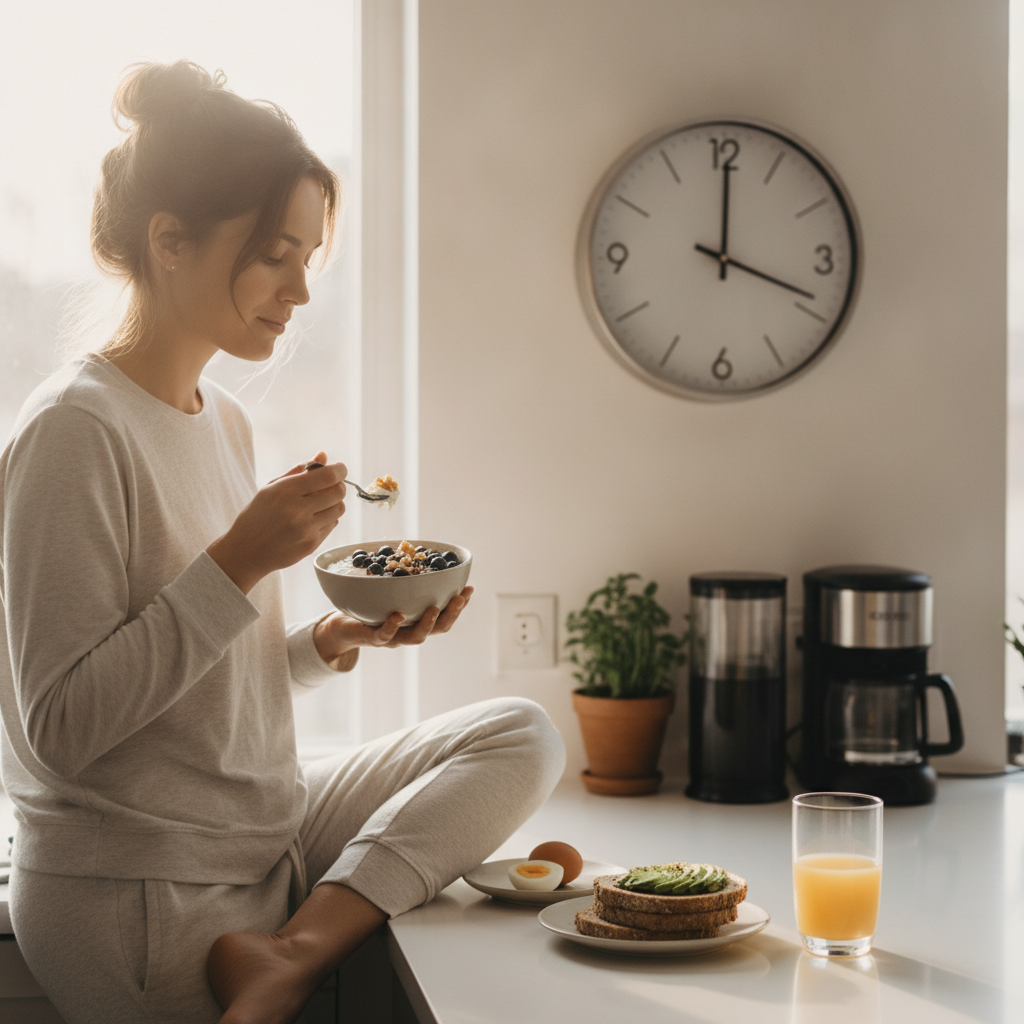
Modern life has a way of filling every available hour before a person even decides what to do with it. Calendars populate themselves with obligations, social commitments appear on weekends like clockwork, and even leisure time gets quietly structured into something resembling productivity. Against this backdrop, the idea of deliberately leaving one evening each week entirely empty — no plans, no agenda, no expectations — can feel almost transgressive. Yet that small, recurring act of surrender turns out to be one of the more quietly powerful things a person can do for their sense of autonomy and inner equilibrium.
What Actually Happens When Every Evening Has a Purpose?
When each night carries a function — meal prep, a social obligation, a workout class booked through an app like ClassPass, a streaming series someone has decided to finish — the week begins to feel like a sequence of performances rather than a life being lived. There is a psychological weight to always being *on*, even when the activity is nominally recreational. The mind does not fully rest when it knows what comes next; it simply queues up the next task while processing the current one. Over time, this persistent forward orientation creates a low-grade fatigue that is difficult to name because it does not look like overwork.
How Does Unstructured Time Differ From Rest?
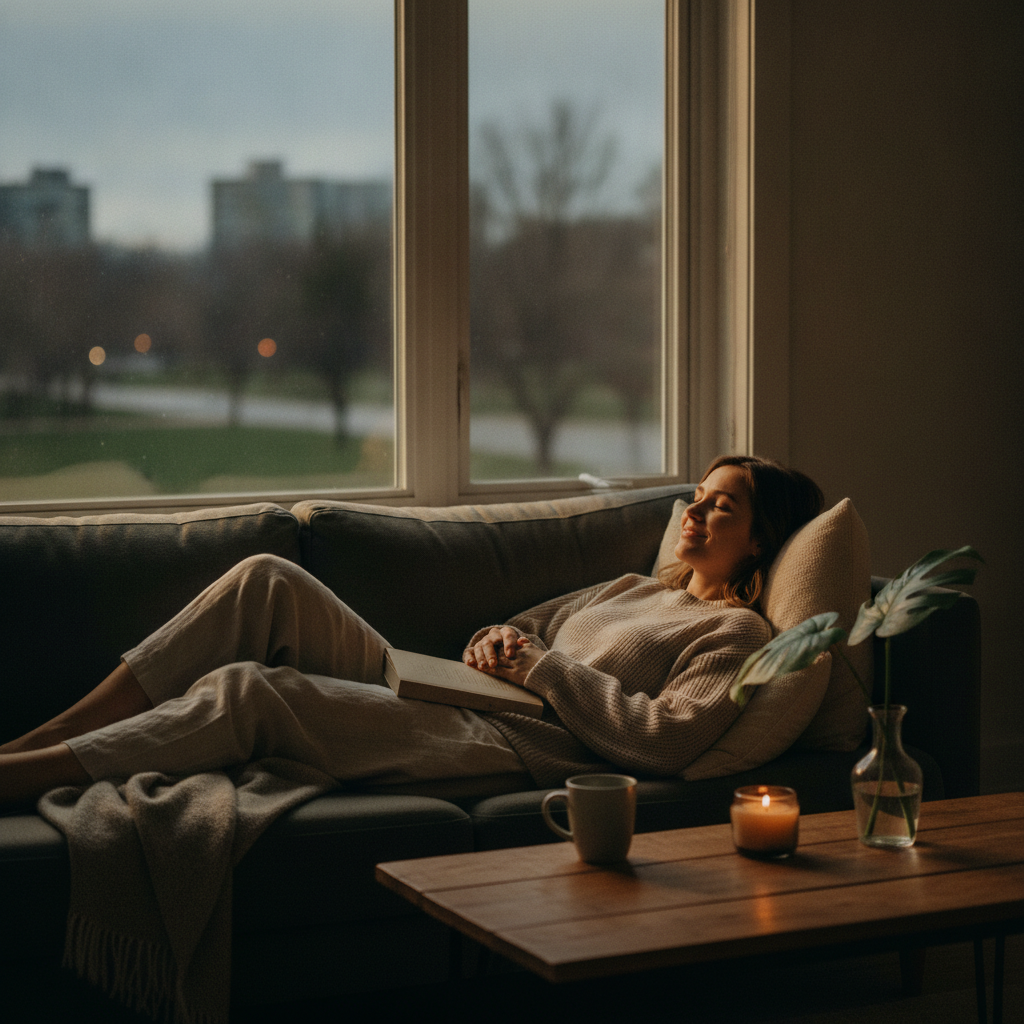
Rest, as most people practice it, tends to be passive and prescribed — lying on the couch, scrolling through a phone, watching something familiar. Unstructured time is qualitatively different because it carries no predetermined shape. The Japanese concept of *ma* — roughly translated as meaningful negative space, the pause between sounds or the emptiness in a room that gives it atmosphere — offers a useful frame here. An unscheduled evening functions as *ma* within the week: not a void, but a space whose value lies precisely in its openness. What fills it emerges organically, whether that turns out to be a spontaneous walk, a forgotten hobby, or simply sitting without destination.
Why Does Choice Feel So Different Without Prior Commitment?
One of the subtler gifts of the blank evening is that decisions made in the moment carry a different emotional texture than decisions made in advance. When someone picks up a novel at nine o'clock on a Tuesday because that is simply what they feel like doing, the act has a quality of genuine preference behind it. Contrast this with the scheduled reading hour that sits in a planner — it may produce the same activity, but it arrives pre-packaged with mild obligation. Neighborhoods like Brooklyn's Prospect Heights or Edinburgh's Stockbridge are full of cafés and bookshops that seem designed for exactly this kind of unhurried, unplanned inhabiting, and the reason they feel so restorative is the same: they reward presence without demanding purpose.
How Does Autonomy Connect to Psychological Wellbeing?
Psychologists who study intrinsic motivation have long distinguished between activities chosen freely and those undertaken under implicit or explicit pressure. The sense of *volition* — acting from one's own will rather than from expectation — is consistently associated with greater satisfaction and lower stress, even when the activity itself is identical. A single unscheduled evening per week essentially creates a weekly rehearsal in volition. It trains the nervous system to tolerate openness without anxiously reaching for the next item on a list. Over weeks and months, this practice subtly recalibrates a person's relationship to time itself, shifting it from something to be managed toward something to be inhabited.
What Makes This Practice Sustainable Week After Week?
The challenge with most habits rooted in doing less is that they tend to collapse under the pressure of busyness. The antidote is treating the unscheduled evening not as a reward to be earned but as a standing commitment — one that appears in the calendar as a block with no content, the same way a dentist appointment might. Apps like Fantastical or even a simple paper planner can mark the evening as unavailable for others without prescribing what happens inside it. The key distinction is that protecting the time is the only act of intention required. Everything after that belongs to the moment.
How Should You Approach Your Own Blank Evening?
If this idea appeals to you, the most useful starting point is resisting the urge to plan how you'll use the freedom. Choose a consistent night — Wednesday tends to work well because it breaks the week without carrying the social expectations of a weekend — and defend it lightly but consistently. Tell the people in your life it's a standing quiet night. Let the first few iterations feel slightly awkward; that discomfort is simply the withdrawal from habitual scheduling, and it passes. Over time, you may find that the blank evening becomes the part of the week you look forward to most, not because of what it contains, but because of what it doesn't.
The observation that began here — that modern life fills its own hours before a person chooses how to spend them — points toward something worth sitting with. A single unscheduled evening does not solve that problem, but it creates a small, recurring interruption in the pattern. It is a weekly reminder that time can belong to a person rather than the other way around, and that reminder, kept faithfully, has a way of slowly changing how the rest of the hours feel.