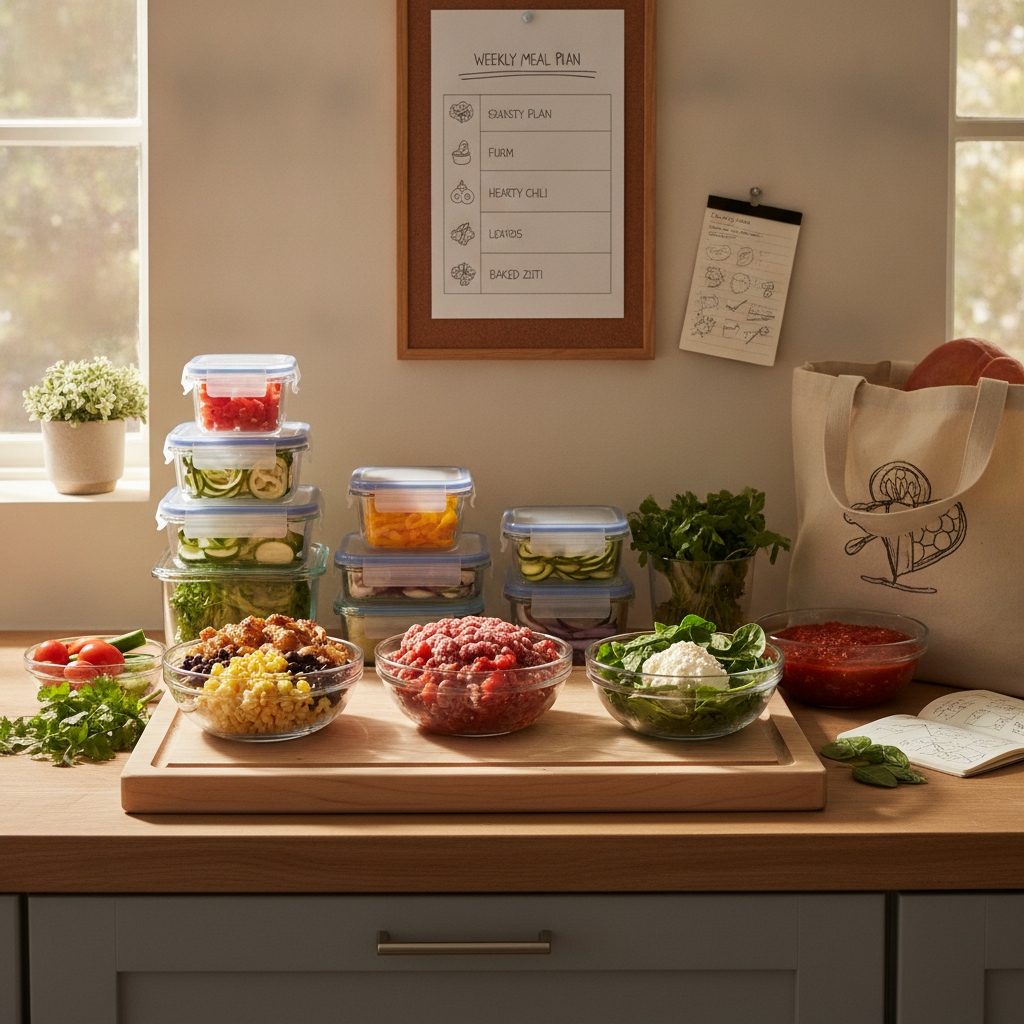
Few household frustrations are as quietly exhausting as standing in front of an open refrigerator at 6 p.m. with no plan, a vague sense of guilt about the produce wilting in the crisper drawer, and a family waiting for an answer. The daily dinner question isn't just a logistical problem — it's a slow drain on mental energy that compounds across an entire week. The good news is that a simple structural shift, building your week around three anchor dishes rather than planning every meal from scratch, can eliminate most of that friction while meaningfully lowering your grocery bill.
Choose Your Three Anchor Dishes Deliberately
An anchor dish is a meal you know well, enjoy reliably, and can execute without much thought. Think a simple roast chicken, a pot of lentil soup, or a sheet-pan salmon with vegetables. The point isn't novelty — it's dependability. When you select three meals to anchor your week, you create a skeleton your grocery list can build around. Apps like Paprika or AnyList make it easy to save and rotate these anchors over time. Choosing meals you genuinely look forward to matters more than choosing meals that seem impressively ambitious.
Build Your Grocery List Backward From the Anchors
Once your three anchors are set, writing the grocery list becomes a reverse-engineering exercise rather than a guessing game. Start with every ingredient each anchor dish requires, then add breakfast staples, snacks, and any flex ingredients you want on hand. This approach naturally eliminates the impulse purchases that inflate grocery totals — if it isn't tied to a planned meal or a known staple, it doesn't go in the cart. Shoppers who plan before they enter a store like Trader Joe's or Aldi consistently spend less than those who browse and decide in the aisle, because decision fatigue and visual cues drive unplanned spending more than actual need does.
Use Each Anchor to Generate a Second Meal Automatically
The most efficient version of this system treats each anchor dish as a two-meal asset rather than a single event. A roast chicken on Monday becomes chicken tacos or a quick grain bowl on Wednesday. A big batch of lentil soup stretches into a lunch across two days. This stretch-cooking habit doesn't require elaborate planning — it just requires making slightly more than you need the first time and thinking one step ahead. Over the course of a month, those second meals represent a significant reduction in the number of times you're buying ingredients from scratch.
Set a Consistent Planning Window Each Week
The ritual aspect of this system matters as much as the content of the plan itself. Choosing a fixed time — Sunday afternoon, Friday evening, whenever works — and spending fifteen to twenty minutes selecting your anchors and writing your list turns meal planning from a vague intention into an actual habit. Consistency is what separates people who plan once and abandon it from those who build it into the rhythm of their week. Treat this window the way you'd treat a recurring calendar commitment: predictable, non-negotiable, and brief enough that it never becomes a chore.
Keep a Short Rotating List of Backup Anchors
Even reliable systems need flex. Keeping a list of six to eight anchor dishes you trust — beyond just the three you're using in any given week — gives you a rotation that prevents boredom without requiring you to research new recipes constantly. Over several months, this list becomes a personal cookbook of proven meals. Cuisines with naturally affordable staples, like Mexican, Middle Eastern, or Japanese home cooking, offer particularly good anchor material because their base ingredients — beans, lentils, rice, eggs, miso — are cheap, shelf-stable, and versatile enough to appear in multiple dishes without feeling repetitive.
Audit Your Waste to Sharpen the System
After a few weeks of running this approach, spend five minutes noticing what gets thrown away. Wilted herbs, unused half-cans of tomatoes, forgotten greens — these are the gaps in your anchor planning. Adjusting your anchors or your ingredient quantities based on actual waste patterns sharpens the system fast. Many households find they were buying for an idealized version of their week rather than the real one. Bringing your plan into closer alignment with how your household actually eats — including how often you end up ordering takeout from somewhere like Chipotle or a local spot — produces a more honest and more sustainable grocery budget.
Protect the Plan Without Being Rigid About It
A meal plan works best when it functions as a default rather than a contract. If you come home exhausted on Wednesday and swap your anchor dish for eggs and toast, that's fine — the plan still saved you from a panicked grocery run or an expensive delivery order. The structure exists to reduce decisions, not to add pressure. Families and households that sustain this habit long-term tend to treat the anchors as strong suggestions rather than rules, which keeps the system from feeling punishing on the weeks when life doesn't cooperate with the calendar.
Reassess Your Anchors Each Season
Anchor dishes that feel perfect in January can feel heavy and wrong in July. Revisiting your rotation at the start of each season keeps the system aligned with what you actually want to eat, what's affordable at the market, and what's in peak supply. Seasonal produce tends to be both cheaper and better-tasting than out-of-season alternatives, so building anchors around what's abundant — summer tomatoes, fall squash, spring asparagus — naturally lowers your ingredient costs while keeping meals interesting. A light seasonal reassessment takes less than ten minutes and keeps the entire habit feeling fresh rather than stale.
Starting this kind of ritual doesn't require a dramatic overhaul of how your household runs. Pick three meals you already know and like, write a list that supports them, and block fifteen minutes this week to do it. That's the whole entry point. The savings, the reduced stress, and the quieter evenings all follow from that small, deliberate first step.