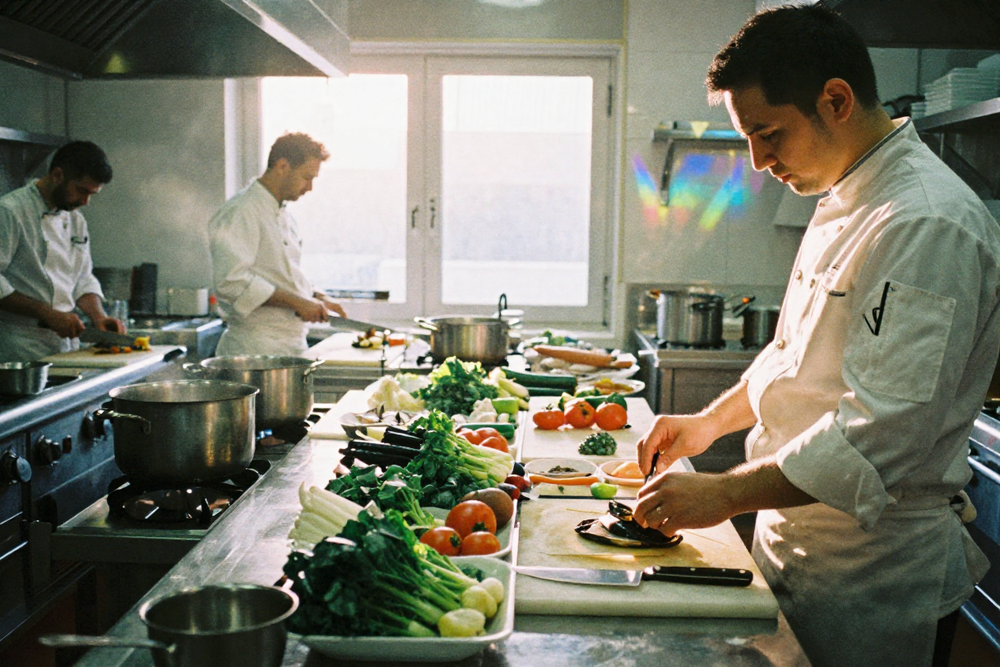
The life of a chef is often glamorized on television shows and social media, but the reality is a delicate balance of precision, creativity, and relentless dedication. From the early morning prep work to the high-pressure dinner service, a chef’s day is a carefully orchestrated rhythm of multitasking, problem-solving, and artistic expression. Every day in the kitchen brings a combination of routine and unpredictability, making the role both challenging and immensely rewarding.
Morning Prep: The Calm Before the Rush
A chef’s day often begins well before the first guest arrives. Many start in the early hours of the morning, arriving at the kitchen to inspect deliveries, organize ingredients, and ensure that the day’s menu is ready to execute. Freshness is key in culinary work, so chefs check every item for quality—vegetables, meats, seafood, and dairy—ensuring that each ingredient meets the high standards expected in a professional kitchen.
During this time, prep work takes center stage. Vegetables are washed, peeled, and chopped; proteins are portioned and marinated; sauces and stocks are simmered for hours to build depth of flavor. While the work may seem repetitive, it requires meticulous attention and efficiency. Chefs often work alongside sous chefs and prep cooks, delegating tasks and making sure every station is fully equipped before the lunch service begins.
This part of the day is deceptively quiet. The focus is inward, a blend of concentration and planning. Many chefs use these hours to experiment, test new recipes, or adjust dishes based on feedback from previous services. Creativity doesn’t wait for the dinner rush; it begins in the prep room, where ideas are refined into dishes that will eventually leave a lasting impression on diners.
Lunch Service: The Pressure Builds
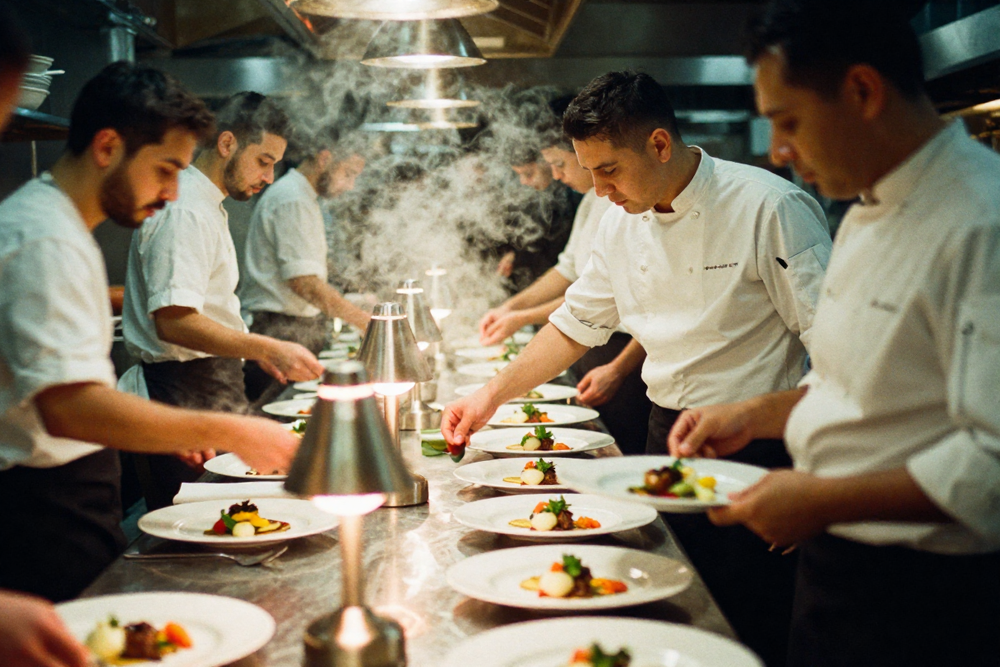
As lunchtime approaches, the kitchen transforms from a place of preparation to a hive of activity. Orders start rolling in, and the pace accelerates. Chefs must coordinate multiple dishes simultaneously, balancing temperature, timing, and presentation. Each plate leaving the kitchen is a reflection of the team’s skill and the chef’s leadership.
The lunch service is a test of multitasking and communication. Chefs continuously monitor each station, providing guidance, solving problems, and making quick decisions to accommodate special requests or unexpected shortages. Mistakes can happen, but a seasoned chef navigates them calmly, ensuring that guests receive a high-quality dining experience without interruption.
In addition to technical skills, this stage emphasizes the importance of teamwork and leadership. The head chef is often a conductor of a complex orchestra, signaling cues, motivating staff, and maintaining morale under intense pressure. In these moments, a chef’s ability to remain composed and decisive directly impacts the efficiency and atmosphere of the entire kitchen.
Afternoon Downtime and Continuous Learning
After the lunch service, the kitchen usually slows down, providing chefs with a short window to regroup. This downtime is often used for cleaning, inventory management, and planning for the next service. It’s also a crucial time for reflection. Chefs review feedback, tweak recipes, and discuss improvements with their team. Culinary work is a constant learning process, and successful chefs invest time in honing techniques and discovering new flavor combinations.
Professional development also takes the form of reading culinary journals, attending workshops, or experimenting with ingredients that are new to the market. Even during busy periods, chefs carve out time to innovate. This balance of reflection and creativity ensures that the kitchen remains a space of excellence and evolution, not just repetition.
Dinner Service: High-Stakes Creativity and Customer Interaction
The evening service is often considered the pinnacle of a chef’s day. Restaurants are filled with guests, each expecting not just a meal, but an experience. The pressure is at its highest, and the kitchen operates like a finely tuned machine. Chefs oversee each dish, ensuring that flavors are consistent, presentations are visually appealing, and orders are completed in a timely manner.
During dinner service, customer satisfaction is directly visible. A compliment from a guest can be an immediate validation of the chef’s work, while constructive criticism requires quick adaptation. Many chefs interact directly with patrons, answering questions about the menu, accommodating dietary restrictions, and sharing the story behind signature dishes. This human connection reminds chefs that their work extends beyond the kitchen; it is about creating memorable experiences for others.
The dinner rush also demands immense physical and mental endurance. Long hours, intense heat, and constant movement are the norm. Chefs must maintain focus and precision while navigating a fast-paced environment, demonstrating not only technical skill but also resilience and adaptability.
Closing and Reflection: Ending the Day on a Strong Note
After the last order is served, chefs begin the closing process. Stations are cleaned, leftover ingredients stored properly, and equipment maintained for the following day. Though the energy of service subsides, attention to detail remains essential. A well-organized closing routine ensures that the kitchen operates smoothly tomorrow and prevents small issues from escalating into larger problems.
The day often ends with reflection. Chefs assess what went well, identify areas for improvement, and celebrate small victories with their team. In many ways, this reflective practice is what sustains long-term passion and excellence in the culinary world. Despite the physical and emotional demands, chefs find satisfaction in creating dishes that bring joy, forging connections with guests, and nurturing their team’s growth.
Early morning prep to high-pressure dinner service, every moment requires skill, attention, and adaptability. Chefs live in a world where the quality of their work is immediately visible and often scrutinized, but this same immediacy provides deep gratification.
It’s a career defined by long hours, intense focus, and relentless dedication—but also one filled with creativity, collaboration, and tangible impact on others’ experiences. For those who thrive on challenge and artistry, the life of a chef offers a dynamic, ever-evolving environment where every day is different, every dish tells a story, and every satisfied guest is a reward worth the effort.