In recent years, smart home technology has evolved far beyond convenience. No longer just about controlling lights or streaming music with a voice command, smart devices now play a crucial role in enhancing health and well-being. From monitoring air quality to optimizing lighting and improving sleep, these innovations are changing the way we think about our living environments. With many people spending the majority of their time indoors, creating a home that supports physical and mental health has never been more important.
Smart home health technology is grounded in the principle that environmental factors—air, light, temperature, and sound—directly influence well-being. By leveraging sensors, data analytics, and automation, these devices allow individuals to proactively manage the spaces they inhabit. Unlike traditional solutions that only react to problems, smart devices anticipate and adjust, making it easier to maintain a healthy lifestyle without constant effort.
Monitoring and Improving Air Quality
Indoor air quality is often overlooked, yet poor air conditions can contribute to allergies, respiratory issues, fatigue, and even long-term health problems. Smart air quality monitors and purifiers are now widely available, offering real-time tracking and intelligent responses to changing conditions.
Modern devices can measure particulate matter (PM2.5), volatile organic compounds (VOCs), carbon dioxide levels, and humidity. Once a deviation from healthy thresholds is detected, integrated systems can automatically activate air purifiers, adjust ventilation, or send alerts to your phone. Some advanced models even integrate with weather and pollution data to anticipate outdoor factors that may affect indoor air.
The benefits extend beyond health alone. Cleaner air can improve cognitive performance, mood, and productivity, making smart air quality management an essential aspect of overall wellness. People with asthma, allergies, or compromised immune systems particularly benefit from consistent monitoring and automated adjustments, reducing exposure to harmful particles without requiring manual intervention.
Optimizing Lighting for Health and Productivity
Lighting profoundly impacts both physical and mental health. Exposure to natural light regulates circadian rhythms, influencing sleep, hormone production, and alertness. In contrast, poor lighting—whether too dim or dominated by harsh blue light—can contribute to eye strain, fatigue, and disrupted sleep cycles.
Smart lighting systems now allow homeowners to simulate natural daylight patterns, adjust color temperature, and control brightness based on the time of day or activity. For example, warm, dim lighting in the evening can promote relaxation and melatonin production, supporting better sleep. Conversely, bright, cool lighting in the morning or during work hours enhances alertness and focus.
Additionally, many smart lighting systems integrate with calendars and occupancy sensors. This means lights can adjust automatically when a room is in use or based on your routine, providing personalized support without requiring manual adjustment. For households with multiple residents, these adaptive features ensure that everyone can experience the right lighting for their specific needs.
Enhancing Sleep Through Smart Technology
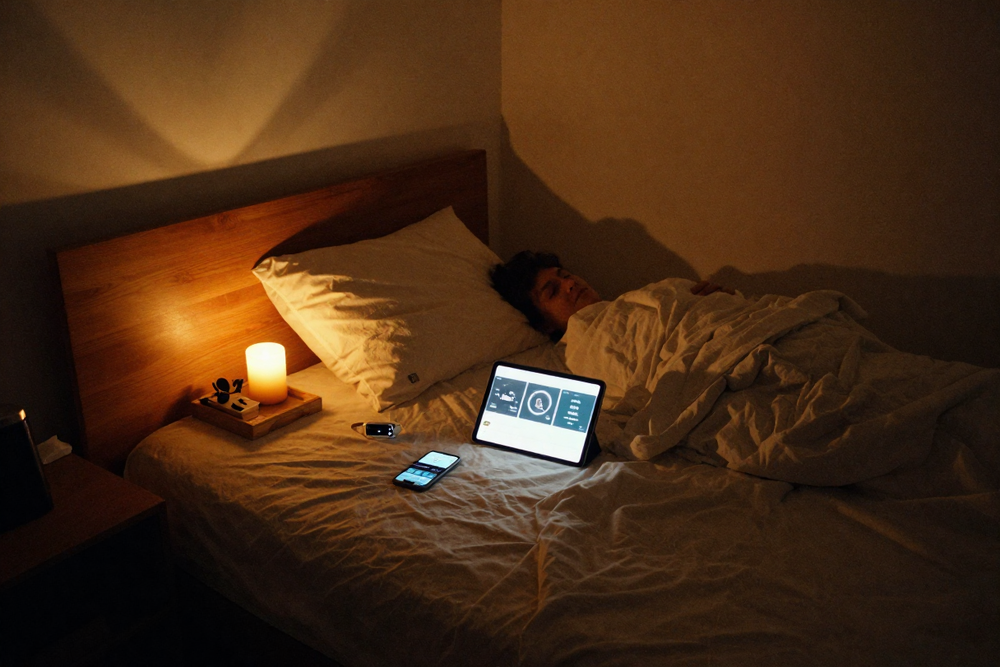
Sleep quality is a cornerstone of health, yet millions of adults struggle with insufficient or disrupted rest. Smart home technology is increasingly capable of monitoring, analyzing, and improving sleep patterns. Devices like connected mattresses, sleep trackers, and bedroom environmental sensors gather data on movement, heart rate, and room conditions.
Integrated systems can then make adjustments to temperature, lighting, and even sound to optimize sleep. For example, a smart thermostat may lower bedroom temperature slightly during the night, while smart lights gradually dim to support natural circadian rhythms. Some systems include white noise machines or gentle wake-up simulations that gradually increase light and sound to ease morning transitions, reducing grogginess and stress.
The insights provided by these devices allow individuals to understand how environmental factors affect their sleep. Data-driven recommendations, such as adjusting bedroom temperature, air quality, or lighting schedules, make it possible to implement measurable improvements without guesswork. Over time, this leads to more restorative sleep, better daytime performance, and enhanced overall health.

Integrating Devices for Comprehensive Wellness
One of the greatest strengths of smart home health technology is the ability to integrate devices into a unified system. Modern platforms allow air purifiers, lights, thermostats, and even smart speakers to communicate and adjust based on combined data. This means your bedroom environment, for instance, can automatically adjust for optimal air quality, lighting, and temperature before bedtime without manual input.
Integration also extends to mobile apps and virtual assistants, providing users with actionable insights and control even when they are away from home. Notifications about air quality spikes, reminders to adjust lighting for peak productivity, or automated bedtime routines can all be managed remotely, giving homeowners unprecedented control over their environment and wellness.
The Future of Smart Health Homes
The potential of smart home devices to enhance health is only beginning to be realized. As sensors become more sophisticated and AI integration improves, homes will increasingly anticipate residents’ needs and proactively maintain ideal conditions. Beyond air, light, and sleep, future devices may track hydration, posture, and even stress levels, creating living environments that adapt dynamically to support physical and mental well-being.
Smart home technology represents a shift in how we interact with our environment. By focusing on measurable improvements in air quality, lighting, and sleep, these devices turn everyday living spaces into proactive wellness environments. For anyone seeking to optimize their health without radical lifestyle changes, investing in smart home solutions offers a practical and increasingly essential toolset.
With monitoring and improving air quality, optimizing lighting, and enhancing sleep, these technologies help residents create environments that support well-being with minimal effort. Integration across devices ensures seamless adjustments, while data-driven insights empower individuals to make informed decisions about their lifestyle.
In an era where our homes are central to work, rest, and recreation, these innovations transform living spaces into personalized health hubs. The combination of convenience, adaptability, and science-backed design means that maintaining wellness is no longer optional—it’s built into the very environment we inhabit. For anyone looking to prioritize their health without added stress, smart home technology is not just a luxury—it’s a modern necessity.