The world of graphic design is often romanticized—people imagine colorful studios, endless creative freedom, and a flexible schedule fueled by caffeine and bursts of inspiration. But the real day-to-day life of a graphic designer is a blend of artistry, structure, communication, problem-solving, and constant adaptation. Creativity plays a huge role, yes, but so does responsibility. Designers must juggle timelines, client revisions, internal expectations, and the ever-moving goalposts of visual trends. The secret lies in striking a balance: producing work that feels inventive while meeting deadlines that don’t bend.
Below is a deeper look into what a typical day looks like and how designers stay grounded in a job that requires both imagination and precision.
Morning: The Creative Warm-Up
Most designers begin their workday easing their brains into creative mode. Unlike roles that can start with mechanical tasks, design requires the mind to feel alert, flexible, and tuned into visual language. For some designers, that warm-up includes reviewing inspirational boards, browsing design platforms, or scanning through industry newsletters to keep a pulse on fresh ideas. Others prefer a quieter start—coffee, a quick sketch session, or a short walk outside to reset their mind before diving into the day’s tasks.
The morning also tends to include checking emails, messages from clients, and notifications from project management tools. This is when designers get a sense of what the day will look like—what deadlines are approaching, which projects need revisions, and what new requests have arrived overnight. Though not the most glamorous part of the job, it’s essential for staying grounded and organized. Without structure, creative tasks can quickly drift off schedule.
Once the schedule is set, designers often begin working on the most demanding creative tasks first. Early hours are usually when the brain is freshest, making it the ideal time for concept development, illustration work, or layout creation. Getting a head start on these more mentally intensive tasks helps prevent the afternoon rush that many designers know all too well.

Midday: Collaboration, Feedback, and Iterations
Graphic design is rarely a solo journey. By midday, designers are often deep into collaboration—meeting with teammates, discussing project direction with marketing teams, or presenting drafts to clients for feedback. Clear communication is one of the most important skills in a designer’s toolbox. Even the most stunning design can fall flat if it doesn’t align with a client’s expectations or if it’s developed without context.
Feedback sessions can be unpredictable. Sometimes the client loves the first round of ideas; other times, they request a full revision. Designers must stay flexible, open-minded, and willing to refine their work without letting criticism feel personal. After all, feedback is part of the process, and it often leads to stronger, more polished final results.
This time of day is also when designers may switch gears between multiple projects. Multitasking is almost a requirement in the design world. One moment may involve updating a brand presentation, and the next may require resizing assets for digital ads. Designers learn to move fluidly from one task to another without losing their creative drive.
Lunch breaks often serve as a mental reset. Many designers step away from the screen to avoid creative burnout. A change of scenery—even a brief one—helps keep creativity flowing, especially when tackling visually intensive work.
Afternoon: Production Work and Problem-Solving
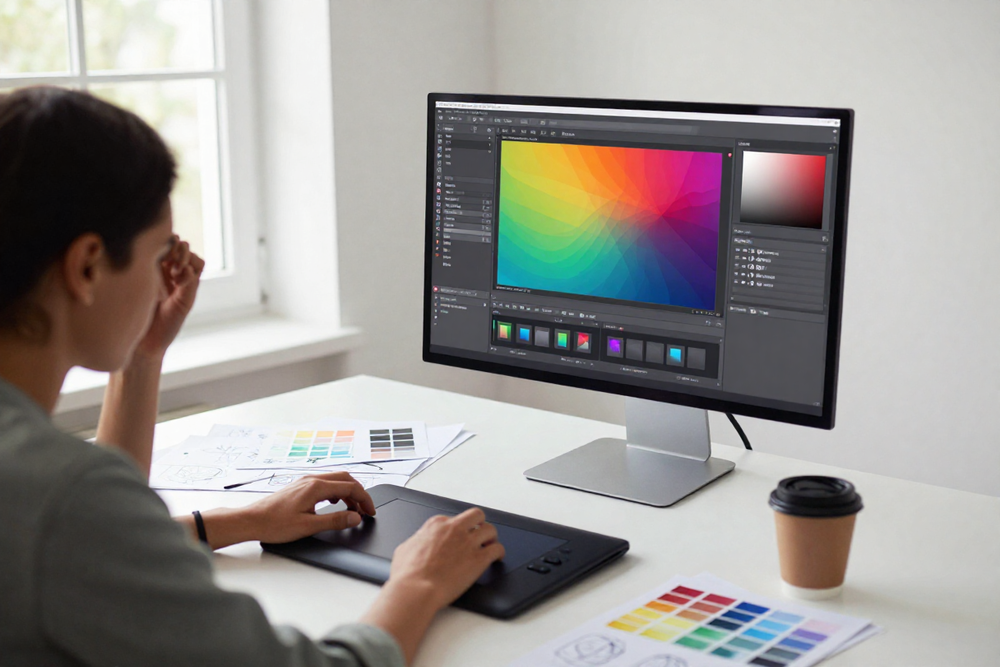
As the afternoon unfolds, the day becomes less about conceptual creativity and more about execution. This includes finalizing layouts, choosing color palettes, refining typography, adjusting spacing, building out design systems, or creating assets for brand campaigns. Production work requires precision and patience. It’s where the details matter most—whether that’s aligning elements perfectly or ensuring a design meets technical specs for print or web.
Designers also spend part of their afternoon addressing challenges that arise mid-project. Maybe a layout doesn’t flow as expected, or a client wants a quick turnaround revision that changes the project scope. These moments require adaptability, quick thinking, and problem-solving. Designers are constantly deciding what adjustments can improve clarity, enhance functionality, or better communicate a message.
Technology also plays a major role in afternoon tasks. Designers rely on creative software, asset libraries, management platforms, and collaboration tools. While these tools make work more efficient, they also require familiarity and ongoing learning. Design software updates frequently, and designers must stay updated to work effectively.
Late Afternoon: Final Push and Deadline Management
Toward the end of the day, designers often experience a shift into deadline mode. The last few hours typically involve polishing work, sending deliverables to clients, organizing files, or preparing assets for handoff to developers, printers, or marketing teams.
Time management becomes crucial here. Designers must assess what can be completed today and what needs to be scheduled for tomorrow. They also determine which tasks require immediate attention and which can be prioritized later in the week. This part of the day can sometimes feel rushed, but experienced designers know how to pace their energy so they don’t burn out.
Final reviews are also common in the late afternoon. Designers may zoom in on every detail, ensuring consistency in spacing, alignment, color, and typography. This meticulous attention to detail is what elevates a design from good to memorable.
Evening: Unplugging and Recharging Creativity
Once the workday ends, designers need time to recharge. Creativity doesn’t function like a switch—it needs rest. Many designers disconnect from screens, engage in hobbies outside design, or spend time with friends and family. Ironically, inspiration often comes when they aren’t actively searching for it.
Some designers use evenings for passion projects, illustration practice, or exploring personal creative ideas that don’t come with deadlines or expectations. These projects often fuel their professional growth and help maintain their love for the craft.
A graphic designer’s day is an intricate balance of creativity, structure, communication, and precision. It’s a role that requires both imagination and discipline, constant learning, and the ability to adapt in a fast-paced environment. While the creative aspect is undeniably exciting, it’s the combination of strategy and artistry that makes the job truly fulfilling. When designers strike the right balance between creativity and deadlines, they produce work that not only inspires but also delivers results.