Adventure Travel: From Hiking Expeditions to Extreme Sports Destinations
Ruby Singh
2025-12-15
6 min read
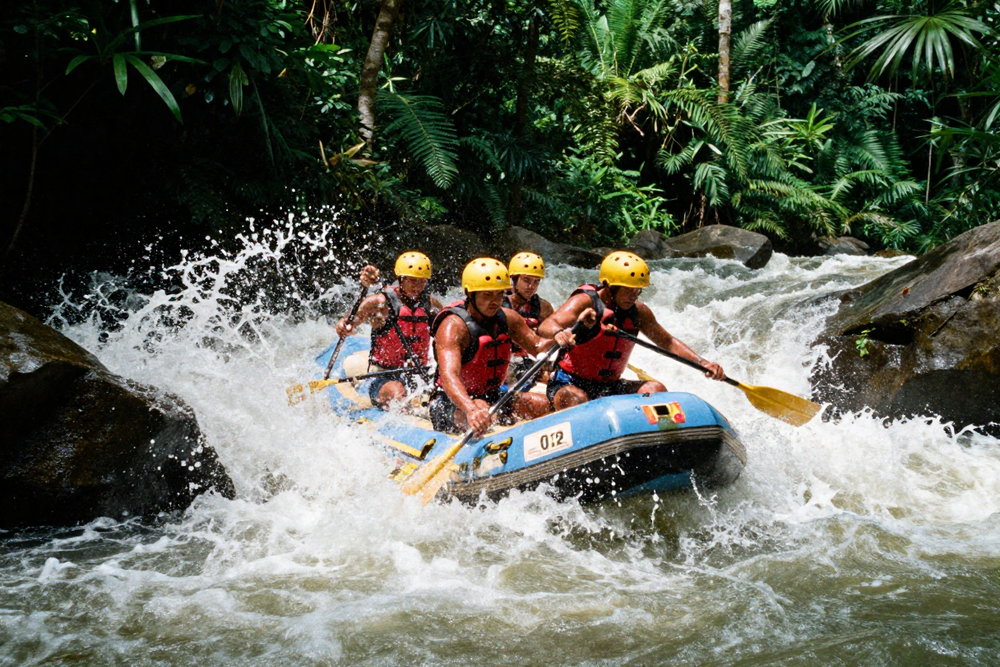
Adventure travel is more than just a type of vacation—it’s a mindset. For many, it represents a chance to push personal limits, explore uncharted landscapes, and engage with the world in a way that goes beyond sightseeing. Unlike traditional travel, which may prioritize relaxation or cultural immersion alone, adventure travel thrives on physical activity, environmental challenges, and experiences that stir the senses. From serene hikes in remote mountain ranges to adrenaline-pumping extreme sports, this form of travel caters to those seeking excitement, personal growth, and unforgettable stories.
Adventure travel comes in many forms. Some travelers prefer the structured challenge of multi-day hikes through wilderness areas, while others are drawn to high-intensity sports like skydiving, white-water rafting, or rock climbing. Regardless of the activity, adventure travel demands preparation, resilience, and a willingness to step outside your comfort zone. This combination of mental and physical engagement often leads to a deeper connection with both the environment and oneself.
Hiking Expeditions: Exploring the World on Foot
Hiking is the foundation of many adventure travel experiences. Trails can vary from short day hikes to multi-day treks that span hundreds of miles. For many, the allure of hiking lies in the simplicity of connecting with nature, challenging the body, and experiencing landscapes that are otherwise inaccessible. Destinations like the Inca Trail in Peru, the Appalachian Trail in the United States, and the Torres del Paine Circuit in Chile offer opportunities for varying skill levels, while providing breathtaking vistas along the way.
One of the most rewarding aspects of hiking expeditions is the sense of accomplishment. Each summit, ridge, or viewpoint represents hours of effort, endurance, and sometimes teamwork. Many hikers also find that being immersed in natural environments fosters mindfulness and reduces the stress often associated with urban life. Unlike other adventure activities that may rely heavily on technology or external equipment, hiking allows travelers to feel fully present, engaging directly with the earth, the air, and the rhythm of movement.

Extreme Sports: Adrenaline-Fueled Adventures
For those who crave high-intensity experiences, extreme sports destinations provide the ultimate challenge. Activities like bungee jumping in New Zealand, paragliding in Switzerland, or white-water rafting in Costa Rica test courage, precision, and adaptability. Extreme sports attract thrill-seekers who enjoy calculated risk, where preparation and safety measures are as critical as the excitement itself.
These adventures often combine physical skill with a strong mental component. Overcoming fear and uncertainty in extreme sports can lead to heightened self-confidence and a profound sense of achievement. Unlike traditional sightseeing, where the experience is largely observational, extreme sports require direct engagement with the environment—navigating rapids, controlling speed while skydiving, or maintaining focus on narrow climbing routes. The result is a full-bodied experience that lingers long after the activity ends.
Adventure Travel Destinations Around the World
Adventure travelers have an extraordinary variety of destinations to choose from. Each offers a distinct style of exploration, shaped by geography, climate, and culture. In South America, Patagonia’s rugged terrain offers both hiking circuits and opportunities for glacier trekking. North America’s national parks provide trails for all levels of hikers and climbers, alongside kayaking, mountain biking, and zip-lining. Europe offers a mix of alpine skiing in the winter and paragliding in the summer, while Southeast Asia’s jungles and rivers create a natural playground for white-water rafting and jungle treks.
Adventure travel isn’t just about the physical landscape; cultural immersion often plays a role. Engaging with local guides, learning indigenous survival skills, or participating in traditional ceremonies can deepen the experience. This combination of adrenaline, nature, and culture ensures that adventure travel leaves an indelible mark, creating stories that are uniquely personal yet universally inspiring.
Preparation and Safety in Adventure Travel
While adventure travel is exciting, it also demands careful preparation. Physical fitness, proper equipment, and knowledge of local conditions are essential. Treks through high-altitude regions, for example, require acclimatization, while extreme sports like rock climbing or white-water rafting demand technical skills and adherence to safety protocols.
Travelers are also encouraged to research reputable tour operators, guides, and local regulations. Insurance and emergency plans are equally important, ensuring that unexpected incidents don’t overshadow the experience. Part of what makes adventure travel so rewarding is the combination of challenge and preparation—the knowledge that overcoming obstacles safely enhances both confidence and enjoyment.
The Personal Benefits of Adventure Travel
Adventure travel offers benefits that extend far beyond the immediate thrill. Physically, activities like hiking, climbing, and kayaking improve endurance, strength, and coordination. Mentally, the challenges inherent in these activities foster resilience, problem-solving, and adaptability. Emotionally, conquering fears and achieving goals in unfamiliar environments often provides a sense of empowerment and self-discovery.
Moreover, adventure travel strengthens social bonds. Many expeditions and extreme sports activities are team-based, requiring trust, communication, and mutual support. Shared experiences in challenging environments often lead to friendships and connections that last long after the trip ends.
Creating Your Own Adventure Travel Experience
Adventure travel is accessible to all levels of experience and can be tailored to personal preferences. Start by assessing your comfort zone, fitness level, and interest in specific activities. Research destinations, local regulations, and cultural norms to ensure a safe and rewarding journey. Consider mixing different types of adventure—hiking one day, cultural immersion the next, and an adrenaline activity to cap off the week—for a well-rounded experience.
Each journey, whether a long trek through mountains or a day of skydiving, offers unique opportunities for growth, connection, and unforgettable memories.
Adventure travel, from hiking expeditions to extreme sports, provides a compelling blend of physical challenge, mental stimulation, and cultural exploration. It pushes boundaries, encourages self-discovery, and connects travelers to both nature and people in profound ways. By approaching adventure travel thoughtfully and safely, anyone can transform a vacation into a life-enriching experience that blends excitement, personal growth, and lasting memories.
More Trending Articles

Digital Health Communities: Using Technology to Connect and Support Healthy Lifestyles
Lila Rose
2026-02-07