Cultural Immersion Travel: How to Experience Local Traditions and Customs
Aiden Reese
2026-02-07
6 min read
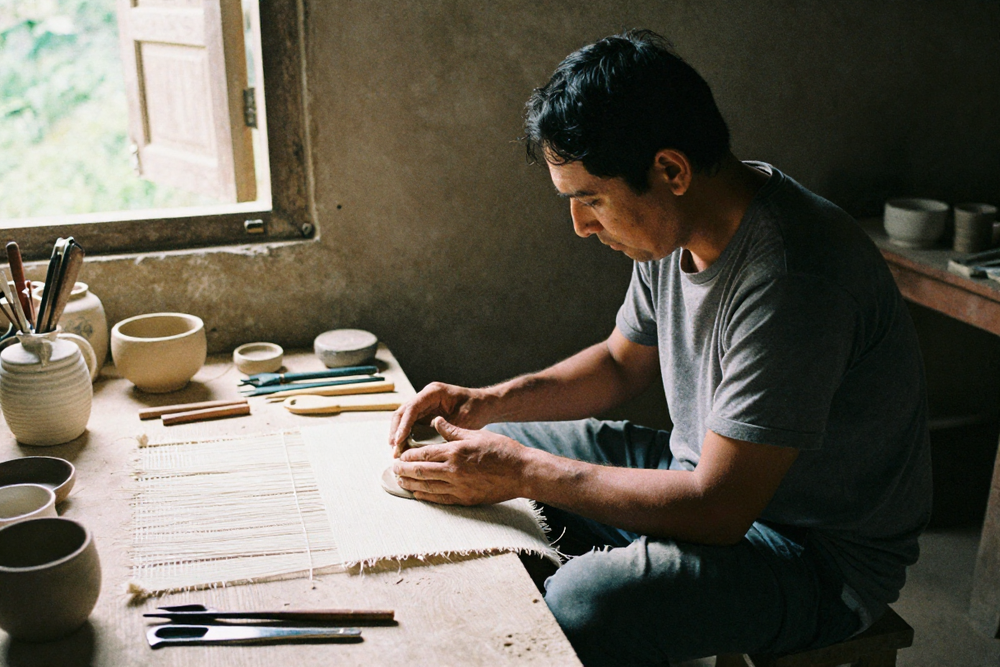
Traveling is no longer just about visiting landmarks or taking selfies in front of iconic sites. Increasingly, travelers are seeking experiences that go deeper—ones that allow them to understand the soul of a destination. This type of travel, often called cultural immersion, focuses on connecting with the people, traditions, and everyday life of the places you visit. By fully engaging with local customs, cuisine, and routines, travelers create memories and insights that go far beyond the surface-level snapshots found in guidebooks.
Cultural immersion travel is not simply about observation; it is about participation. It involves approaching a new environment with curiosity, humility, and respect. It requires an openness to experiences that might feel unfamiliar or even uncomfortable. Yet, the rewards are profound. Travelers gain a more authentic understanding of a community, develop empathy, and often find themselves adopting practices or perspectives that leave lasting impacts on their own lives.
Choosing the Right Destination for Immersive Experiences
Not all travel destinations offer the same opportunities for cultural immersion. Cities with a heavy tourist focus often prioritize convenience and entertainment, which can sometimes dilute the local culture. Instead, look for destinations that encourage interaction with the local community. Smaller towns, villages, and rural areas often offer richer opportunities to engage in authentic practices such as cooking traditional meals, participating in festivals, or learning artisanal crafts.
Research is key before you go. Learn about the local language, customs, etiquette, and social norms. Even basic knowledge—such as common greetings, polite behaviors, or table manners—can help you build rapport with locals and avoid unintended cultural faux pas. Preparation shows respect, which is often reciprocated with openness and invitations to participate in community life.
Engaging Through Food and Cuisine
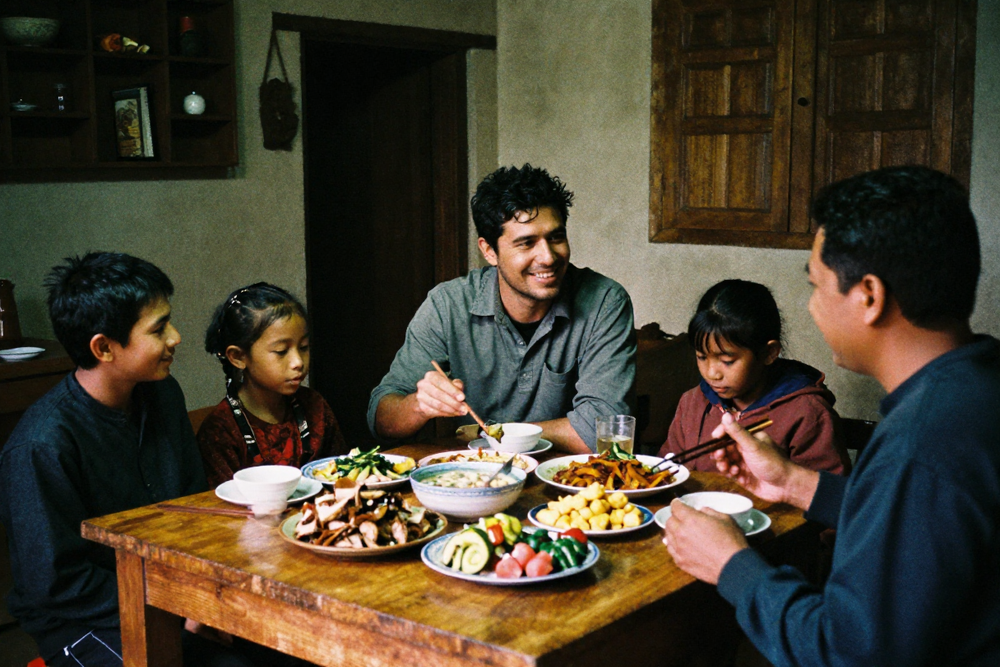
One of the most immediate and enjoyable ways to connect with a culture is through food. Participating in local culinary experiences provides insight into a community’s history, values, and daily life. Consider joining cooking classes led by locals, visiting open-air markets, or dining in family-owned eateries rather than chain restaurants. Learning to prepare traditional dishes not only deepens your understanding but also fosters direct interactions with residents who are passionate about their culinary heritage.
Food also serves as a conversation starter and a bridge across language barriers. Sharing a meal with locals creates an environment where stories are exchanged naturally, allowing you to learn about personal histories, cultural values, and regional differences that are not mentioned in guidebooks.
Participating in Festivals and Ceremonies
Festivals, ceremonies, and rituals are windows into the soul of a community. Whether it’s a harvest celebration, a religious festival, or a local parade, these events showcase traditions that have been passed down for generations. Attending these gatherings with respect and curiosity allows travelers to experience culture in motion.
When participating, it is important to observe and follow local customs. Dress codes, behavioral expectations, and photography etiquette often differ from your home country. By respecting these norms, you demonstrate a willingness to honor the community’s practices rather than treating the event as mere entertainment. Engaging respectfully in festivals can lead to conversations with locals, invitations to participate, and even long-lasting friendships.
Learning Through Hands-On Activities
Beyond festivals and food, hands-on experiences provide deeper immersion. Learning a local craft, such as pottery, weaving, or carpentry, allows travelers to appreciate the skill, effort, and cultural significance embedded in traditional practices. Similarly, participating in agricultural or fishing activities in rural regions offers perspective on livelihoods and local economies.
These experiences often lead to moments of shared learning and connection. Locals tend to be proud of their skills and happy to teach willing visitors. Being open to guidance, asking thoughtful questions, and expressing genuine curiosity enhances these interactions and deepens the immersive experience.
Staying with Locals and Choosing Authentic Accommodations
Accommodation choices play a significant role in cultural immersion. While hotels offer convenience and comfort, homestays, guesthouses, or small locally-run inns allow travelers to experience daily life alongside community members. Staying in a family-run guesthouse, for example, can provide insight into routines, home customs, and regional practices that are otherwise inaccessible to tourists.
Homestays also encourage conversation, language practice, and participation in everyday activities, from meal preparation to community events. These experiences foster relationships and create memories far richer than those gained from simply passing through a city.
Using Local Transportation and Exploring Neighborhoods
Exploring a city or town using local modes of transportation is another way to connect with its rhythm and culture. Trains, buses, ferries, or even bicycles provide a window into how residents navigate their environment daily. Observing interactions, street life, and local commerce offers perspective on urban planning, community priorities, and social dynamics.
Similarly, wandering neighborhoods on foot or by bicycle allows travelers to discover hidden gems such as small cafés, artisan workshops, and local gathering spots. By stepping off the beaten path, travelers can experience the authenticity of life beyond tourist attractions.
The Mindset of Cultural Immersion
Ultimately, cultural immersion travel requires a mindset of humility, patience, and openness. Avoid approaching experiences with a checklist mentality, expecting immediate mastery or understanding. Accept that misunderstandings may happen, that communication can be imperfect, and that learning often occurs slowly. Embrace curiosity, actively listen, and remain adaptable. By focusing on experiences rather than merely destinations, you enrich your understanding of the world and leave each place with meaningful connections and insights.
It moves beyond sightseeing into the realm of authentic participation, understanding, and connection. Through food, festivals, hands-on activities, accommodations with locals, and the simple act of exploring neighborhoods, travelers gain insights into traditions and customs that define a community. The experience is rewarding, fostering empathy, personal growth, and a deep appreciation for the rich tapestry of human culture.
When done thoughtfully and respectfully, cultural immersion travel doesn’t just fill your itinerary—it enriches your life. Every meal, festival, and interaction becomes a bridge to a deeper understanding of the world, allowing you to travel not as a visitor, but as a participant in the ongoing story of a community.
More Trending Articles

Digital Health Communities: Using Technology to Connect and Support Healthy Lifestyles
Carter Grant
2026-02-07