Behind the Scenes of Event Planning: How Organizers Turn Chaos into Seamless Experiences
Emerson Gray
2025-12-25
6 min read
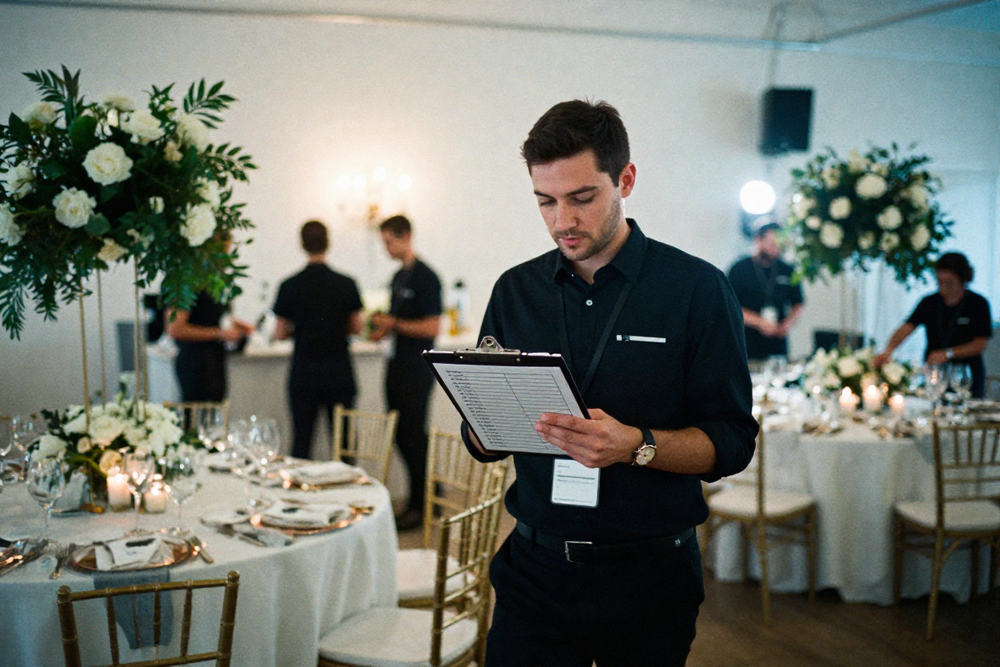
Event planning is often perceived as glitz, glamour, and perfectly executed soirées, but anyone who has ever been behind the curtain knows that the magic comes from meticulous preparation, adaptability, and creative problem-solving. From weddings and corporate galas to music festivals and conferences, event planners operate in a world of constant unpredictability. Their goal is always the same: to transform a potentially chaotic scenario into a seamless, memorable experience for attendees.
The ability to balance logistics, aesthetics, and human interaction requires a unique blend of organizational skills, creativity, and emotional intelligence. Event planners are the quiet conductors of complex orchestras, ensuring every detail—visible or invisible—aligns perfectly. Understanding the work behind an event gives a deeper appreciation for the expertise and foresight required to make everything appear effortless.
The Foundation: Planning and Conceptualization
Every successful event begins long before the first guest arrives. The planning phase is where the framework is established, encompassing goals, budget, audience expectations, and timelines. Event planners spend hours consulting with clients or stakeholders to understand the purpose of the event. Whether it’s a formal awards ceremony, an intimate gathering, or a large-scale festival, defining the vision is crucial.
During this stage, organizers map out every component: venue selection, catering, décor, audio-visual requirements, staffing, permits, and contingency plans. They often use project management tools to create detailed timelines and task lists, ensuring nothing is overlooked. This phase also involves researching vendors, negotiating contracts, and confirming availability. The careful attention to preparation reduces the risk of last-minute emergencies and sets the tone for smooth execution.
Coordination and Communication: The Backbone of Success
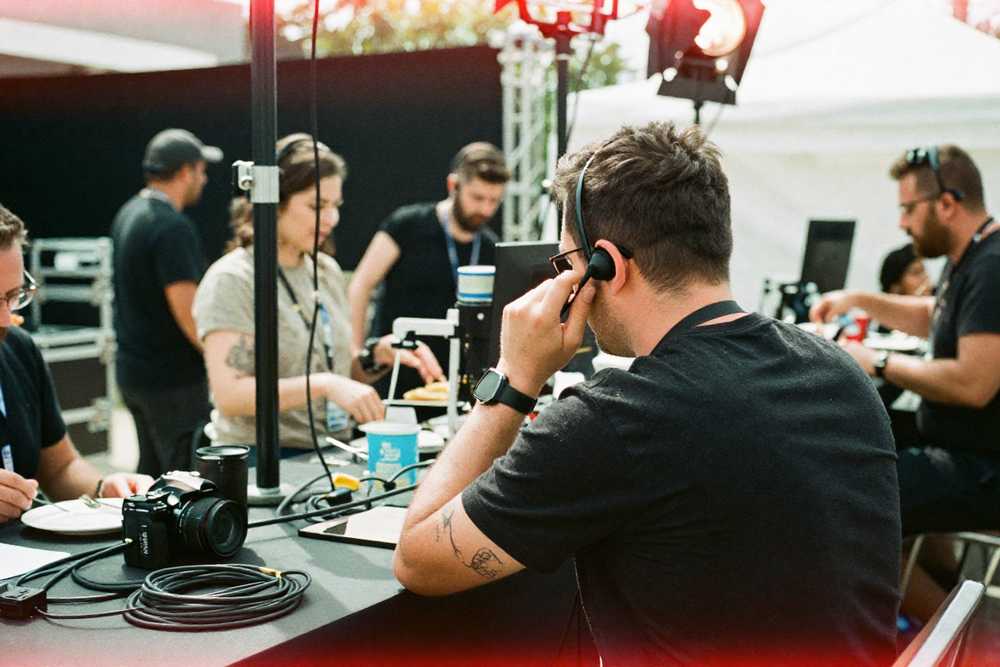
Event planning is essentially a large-scale coordination challenge. Planners are constantly communicating with multiple parties: venue managers, caterers, performers, tech teams, sponsors, and attendees. Clear, concise communication ensures that everyone understands their roles, deadlines, and expectations. Without this, even a perfectly planned event can falter.
Organizers often hold pre-event meetings, walkthroughs, and rehearsals. For example, a wedding planner may coordinate with the florist, caterer, and musicians to ensure timing is flawless, while a conference planner might walk the venue to check staging, lighting, and seating arrangements. Technology now plays a significant role in streamlining communication, from shared digital calendars and group messaging apps to collaborative platforms that track progress in real time.
Problem-Solving Under Pressure
No matter how meticulously an event is planned, unexpected challenges are inevitable. A sudden power outage, inclement weather, vendor delays, or last-minute cancellations can threaten the flow of an event. Skilled planners thrive under this pressure, relying on a combination of experience, quick thinking, and contingency planning.
A key part of event management is anticipating potential issues before they arise. Planners often develop backup plans for every major element. This might include alternative seating arrangements, additional technical equipment, or backup staff. When the unexpected occurs, organizers execute these plans seamlessly, often without guests ever noticing the disruption. Their ability to remain calm under pressure ensures that the event’s energy and experience remain intact.
Attention to Detail: Crafting the Guest Experience
While logistics are crucial, event planners are also deeply focused on the experience of attendees. Every detail—from lighting and music to seating arrangements and signage—contributes to the atmosphere and emotional impact. Planners consider how guests will move through the space, what they will see, hear, and feel, and how each moment contributes to the overall narrative of the event.
The aesthetic components of an event are meticulously coordinated. Color schemes, floral arrangements, table settings, and branding elements are all designed to align with the event’s theme. Organizers often collaborate with designers and decorators to create a visually cohesive environment. These elements, combined with smooth operational flow, ensure that guests remain engaged, comfortable, and impressed throughout the experience.
Technology: Enhancing Efficiency and Creativity
Modern event planning increasingly relies on technology to manage complexity and enhance creativity. Software tools assist in scheduling, budgeting, vendor coordination, and registration. Virtual reality and 3D modeling can simulate event spaces before setup, allowing planners to optimize layouts and logistics. Mobile apps provide attendees with schedules, maps, and updates, improving engagement and reducing confusion.
Social media also plays a significant role. Event planners often develop content strategies, manage live updates, and track engagement metrics to ensure the event resonates both on-site and online. Technology helps transform the event from a simple gathering into a fully immersive, interactive experience.
Teamwork: Collaboration Behind the Scenes
Even the most skilled event planner cannot execute an event alone. Successful events are the result of cohesive teamwork among staff, vendors, and volunteers. Each team member plays a specific role, from registration and security to technical support and hospitality. Organizers are responsible for coordinating these teams, ensuring everyone understands their responsibilities and works in harmony.
Strong leadership, empathy, and adaptability are essential. Planners must motivate teams, resolve conflicts, and maintain morale, especially during high-pressure moments. By fostering trust and accountability, organizers create an environment where the team can execute tasks efficiently, ensuring the event runs without visible disruptions.
The Art of Reflection: Learning From Every Event
After the last guest leaves, the work isn’t over. Event planners review every aspect of the event, analyzing successes and identifying areas for improvement. Debriefs with teams and feedback from clients or attendees provide valuable insights for future planning. This reflective process is critical for continuous growth and ensures that each subsequent event is more refined and polished.
Through meticulous planning, effective communication, attention to detail, problem-solving, and team collaboration, planners turn potential chaos into memorable moments.
Next time you attend a seamless wedding, conference, or gala, consider the invisible choreography behind the scenes—the hours of preparation, the coordination of multiple moving parts, and the expert problem-solving that make the experience not just possible, but extraordinary. Event planners don’t just organize; they orchestrate experiences that linger in memory long after the lights go down.
More Trending Articles

Digital Health Communities: Using Technology to Connect and Support Healthy Lifestyles
Charlotte Davis
2026-02-07