In recent years, mental health has become a central focus in conversations about overall well-being. From stress and anxiety to burnout and depression, individuals are increasingly recognizing the importance of maintaining mental wellness alongside physical health. One of the most significant innovations in this space has been the rise of mental health apps—digital tools designed to support mindfulness, reduce anxiety, and encourage daily reflection. These apps are not a replacement for therapy or professional care, but they provide accessible, scalable resources for managing mental health in everyday life.
The Rise of Mental Health Technology
Technology has transformed the way we approach mental wellness. Unlike traditional methods, mental health apps are available 24/7 and can be used in moments of immediate need. Whether it’s a stressful commute, a restless night, or a period of heightened anxiety, apps allow users to access guided meditations, coping exercises, and tracking tools whenever necessary. This level of accessibility breaks down barriers that previously prevented many people from engaging with mental health practices, such as time constraints, cost, or geographic limitations.
Mental health apps often combine multiple approaches to support users. Some focus primarily on mindfulness and meditation, while others are designed for cognitive behavioral therapy (CBT) exercises, journaling, or mood tracking. By integrating these features, users can tailor their mental health practices to meet individual needs and lifestyles.
Mindfulness and Meditation Tools
Mindfulness is one of the most popular approaches incorporated into mental health apps. Mindfulness encourages individuals to focus on the present moment, recognize their thoughts without judgment, and cultivate calm awareness. Meditation apps such as Headspace and Calm provide guided sessions ranging from three minutes to over an hour, making it easy for anyone to incorporate mindfulness into daily routines.
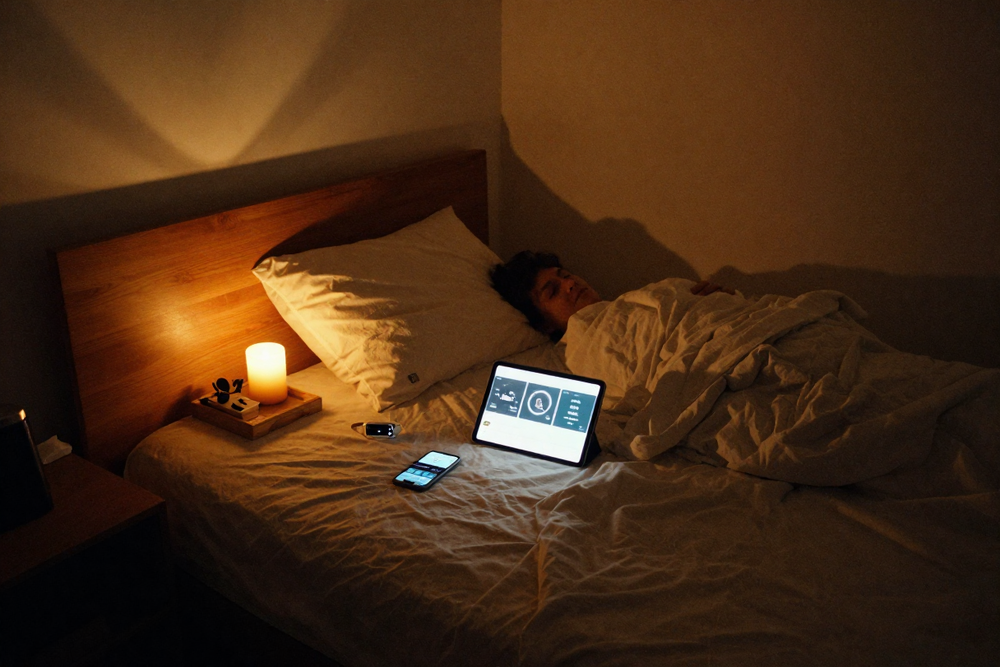
These apps often include features like ambient sounds, breathing exercises, and sleep-focused meditations. Beyond stress reduction, consistent mindfulness practice can improve focus, emotional regulation, and resilience in challenging situations. For many users, the ability to meditate anywhere—on a bus, in a park, or during a lunch break—turns mindfulness into a practical, achievable habit rather than an abstract concept.
Managing Anxiety and Stress
Anxiety is a common mental health challenge, and apps have stepped in to provide immediate support strategies. Many apps guide users through anxiety-reducing exercises such as deep breathing, progressive muscle relaxation, or short CBT interventions. For example, Sanvello and Woebot offer interactive sessions that help users identify negative thought patterns, challenge cognitive distortions, and develop coping strategies.
The convenience of these apps is particularly valuable for situations where professional support may not be immediately available. For instance, someone experiencing panic symptoms while waiting for a meeting or commuting can use an app to ground themselves, focus on their breath, and regain a sense of control. Over time, repeated use of these tools can build long-term skills for managing anxiety in everyday life.
Journaling and Daily Reflection
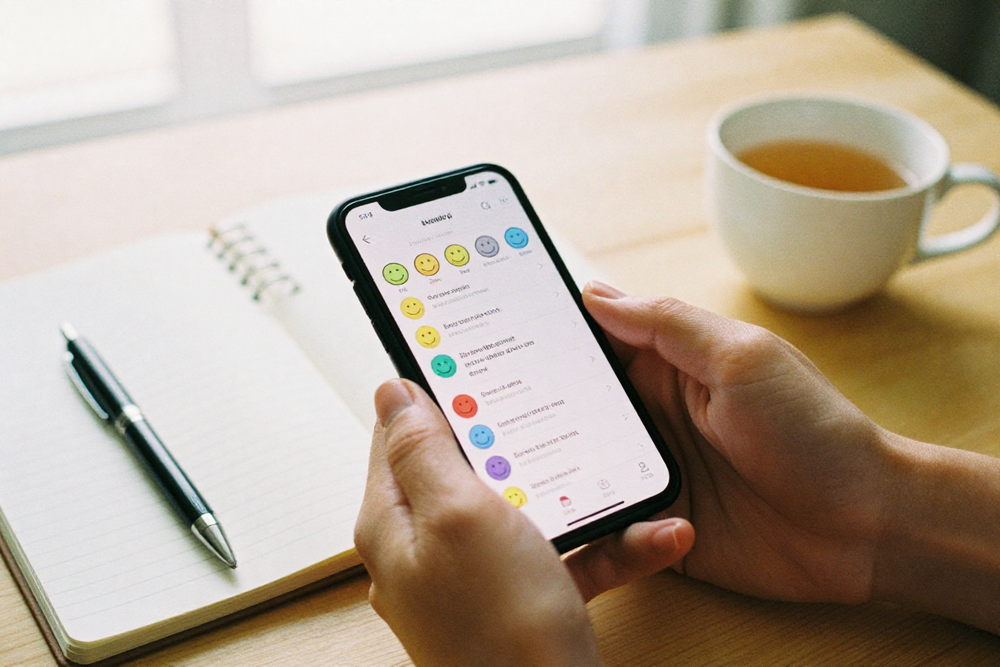
Reflection is a powerful tool for understanding one’s emotions and experiences. Many mental health apps incorporate journaling features, allowing users to track moods, document thoughts, and reflect on personal growth. Apps like Daylio and Journey make it easy to log feelings, note patterns, and review emotional trends over time.
Regular journaling enhances self-awareness by helping individuals identify triggers, recognize achievements, and monitor progress toward personal goals. When paired with mood tracking, journaling apps can also highlight connections between habits, lifestyle choices, and mental well-being, offering actionable insights that improve decision-making and stress management.
Community and Support Features
Some mental health apps go beyond personal reflection and offer community-oriented tools. These features create spaces where users can connect with others facing similar challenges, share coping strategies, and feel less isolated. Platforms like 7 Cups provide access to trained listeners, forums, and moderated support groups. While these digital communities are not a substitute for professional therapy, they offer emotional reinforcement and social engagement that can reduce feelings of loneliness and isolation.
The combination of individual exercises, guided therapy techniques, and community interaction makes these apps versatile resources. Users can experiment with different tools to see which approaches resonate most with their mental health needs and lifestyle.
Benefits of Mental Health Apps
The advantages of mental health apps extend beyond convenience. Consistent use can cultivate long-lasting habits, improve emotional resilience, and enhance mindfulness in daily activities. They also provide a structured framework for individuals who might otherwise struggle to implement mental health practices on their own.
Moreover, these tools encourage a proactive approach to mental wellness. Rather than waiting until stress or anxiety becomes overwhelming, users can engage in preventative practices that maintain mental balance. Over time, this can reduce the intensity of negative emotional episodes and improve overall quality of life.
Mental health apps have emerged as a practical and accessible solution for people seeking mindfulness, anxiety management, and reflective practices. By offering guided meditations, CBT exercises, journaling, and supportive communities, these tools empower individuals to take control of their mental wellness on their own terms. While they do not replace professional therapy, they complement traditional methods, making mental health care more approachable and integrated into everyday life.
Having digital resources at our fingertips ensures that mindfulness, emotional regulation, and self-reflection are never out of reach. As technology continues to evolve, mental health apps will likely become even more personalized and adaptive, providing users with tools that not only manage stress but actively enhance their emotional well-being. For anyone looking to cultivate balance, reduce anxiety, and foster daily reflection, exploring these digital tools is a step toward a healthier, more mindful life.