The rise of remote work has completely reshaped the professional landscape. For freelancers and digital nomads, the traditional 9-to-5 office schedule is no longer a requirement. Instead, they have the flexibility to work from anywhere with an internet connection, blending productivity with exploration and personal lifestyle preferences. While this freedom is appealing, it also comes with unique challenges, particularly around structuring a productive day, maintaining balance, and avoiding burnout.
Unlike conventional office environments where routines are largely dictated by external expectations, remote workers must design their own daily schedules. This requires discipline, self-awareness, and an understanding of personal productivity rhythms. The way a digital nomad structures their day can vary significantly depending on their workload, time zone constraints, and lifestyle goals, but there are common patterns that many successful remote workers adopt.
Morning Routines: Starting the Day with Purpose
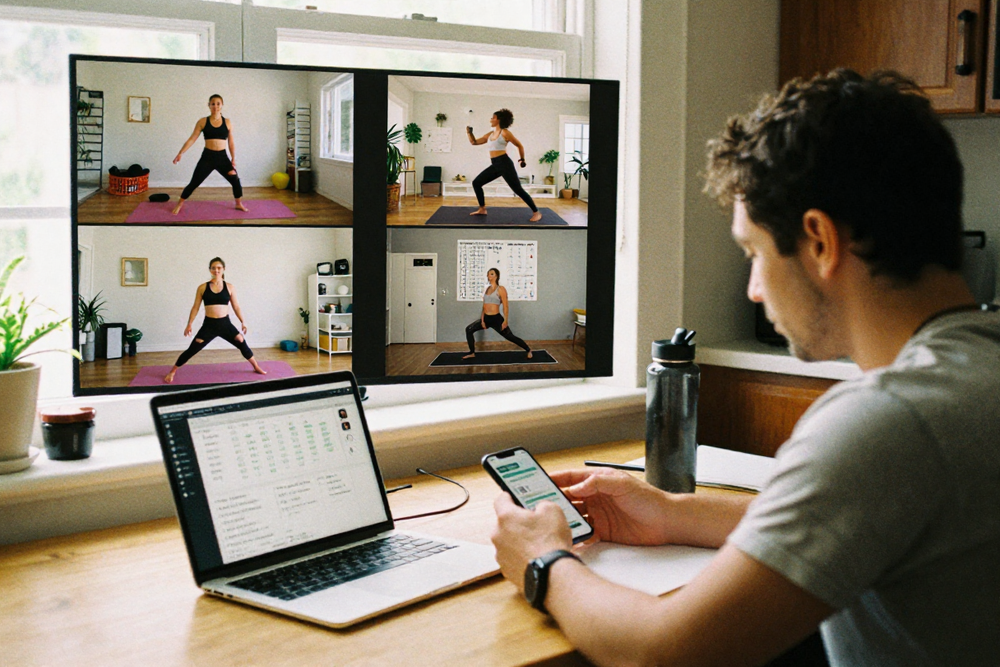
For many freelancers and digital nomads, mornings set the tone for the entire day. A typical morning begins with activities that help increase focus, energy, and readiness for work. Some start with physical exercise such as yoga, running, or a quick bodyweight routine, which not only energizes the body but also sharpens mental clarity. Others dedicate the first hour to personal reflection, journaling, or planning the day’s tasks to establish priorities.
Coffee or breakfast rituals often play a symbolic role in signaling the start of the workday. Even in unconventional locations like beaches, co-working cafes, or Airbnb apartments in foreign cities, these routines provide a sense of normalcy. For digital nomads, aligning morning routines with local time zones helps manage client communications and deadlines effectively, ensuring they stay connected even across continents.

Work Blocks: Managing Focus and Productivity
Remote workers often structure their days into work blocks, periods of concentrated effort on specific tasks. Many follow the principle of deep work, dedicating two to four hours uninterrupted to high-priority projects such as client work, content creation, or coding. Digital nomads, in particular, rely on cloud-based tools to organize projects, communicate asynchronously with clients, and track deadlines.
Midday often brings shorter work sessions focused on smaller tasks, responding to emails, or making client calls. Breaking the day into these blocks helps avoid decision fatigue and prevents the common pitfall of multitasking, which can hinder productivity. Flexible scheduling allows freelancers to work when they are most alert, whether that’s early morning or late at night, and gives room to explore surroundings during the day—especially important for those traveling while working.
Co-Working Spaces and Remote Community Interaction
One of the most important aspects of remote work is combatting isolation. Many freelancers and digital nomads incorporate co-working spaces into their schedules, which provide reliable internet, ergonomic setups, and the social aspect of a shared workspace. These environments encourage networking, collaboration, and a sense of belonging that can otherwise be hard to find when working alone.
Even when not physically present in co-working spaces, virtual communities serve as a structure for accountability. Daily check-ins, virtual coworking sessions, and chat groups allow remote workers to maintain social interaction, receive feedback, and stay motivated. For many, these interactions are critical for maintaining both productivity and mental well-being.
Flexible Breaks and Exploration
One of the most unique advantages of being a freelancer or digital nomad is the ability to schedule breaks that suit personal lifestyle and location. Unlike traditional office jobs, breaks aren’t limited to a lunch hour. Some remote workers incorporate multiple short breaks for stretching, meditation, or a walk outside. Others take longer mid-day pauses to explore local culture, visit nearby attractions, or engage in hobbies, blending work and travel seamlessly.
These periods of exploration are not purely recreational—they can enhance creativity, improve mental clarity, and prevent burnout. By stepping away from screens and immersing themselves in different environments, digital nomads often return to work refreshed and more focused.
Evening Routines: Winding Down and Planning Ahead
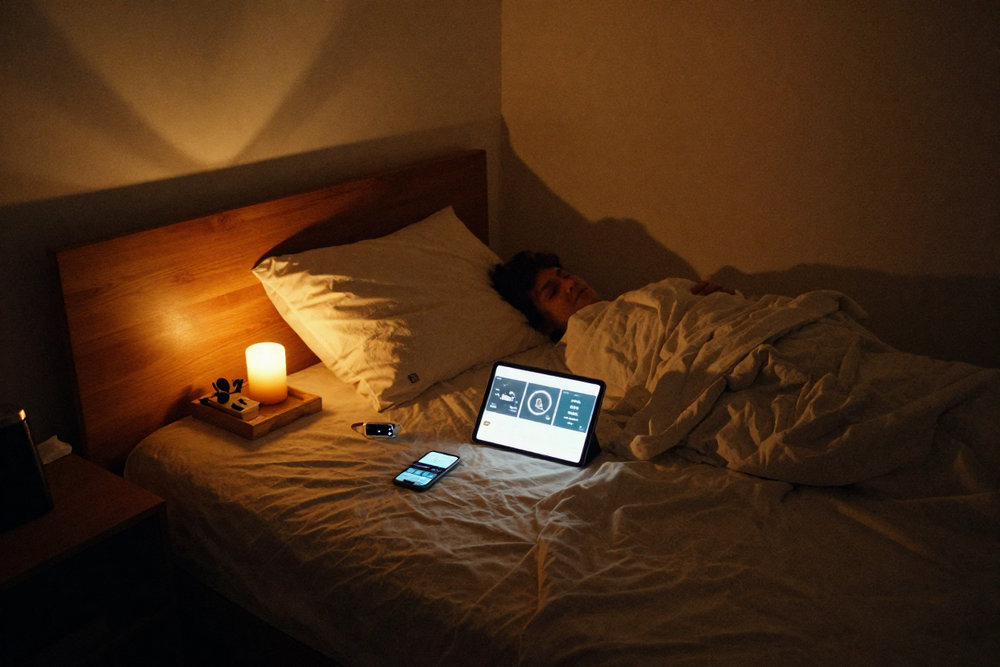
For remote workers, evenings are a critical period for reflection and preparation. After completing major tasks, many freelancers dedicate time to reviewing accomplishments, updating project management tools, and setting priorities for the following day. This helps maintain clarity and reduces stress, particularly for those managing multiple clients or projects simultaneously.
Evening routines often include disconnecting from work-related communications, which can be challenging given the global nature of freelance projects. Digital nomads may use the evening to socialize, attend local events, or relax in ways that nurture mental and physical health. This intentional separation between work and leisure ensures sustainability and prevents the blurring of boundaries that often leads to burnout.
Adapting to Different Time Zones and Clients
A significant factor in structuring a remote workday is managing clients across multiple time zones. Many digital nomads begin their day earlier or later than the local time to accommodate meetings or deadlines abroad. This flexibility requires careful planning and a clear understanding of personal productivity peaks. Tools like scheduling apps, calendar integrations, and automated reminders are indispensable for coordinating work without sacrificing sleep or well-being.
The reality of remote work is both liberating and challenging. Freelancers and digital nomads enjoy unprecedented freedom to design their days, balance work and life, and explore the world—but this flexibility demands discipline, planning, and self-awareness. Structured mornings, focused work blocks, community interaction, flexible breaks, and intentional evening routines combine to create a productive, sustainable lifestyle.
The freedom to work from anywhere is most rewarding when it is paired with strategies that structure time effectively, allow for exploration, and safeguard mental health. For those willing to adapt, the remote work lifestyle offers the unique opportunity to blend career success with personal fulfillment in ways that traditional office jobs rarely can.