Slow Travel: How to Truly Experience a City or Country by Staying Longer
Elijah Brooks
2026-01-02
6 min read
Travel has often been defined by a race against the clock. Many tourists aim to tick off as many attractions as possible, rushing through landmarks and guided tours in a matter of days. While this approach can be exhilarating, it rarely allows travelers to genuinely connect with a city or country. That’s where slow travel comes in—a philosophy that encourages lingering, exploring deliberately, and immersing oneself fully in the local culture. By spending more time in a single destination, travelers can experience life at a more authentic pace, developing a deeper understanding and appreciation of the places they visit.
Unlike traditional travel, which emphasizes quantity over quality, slow travel focuses on quality experiences, connection, and mindfulness. It is about creating meaningful interactions, savoring local cuisine, participating in everyday life, and uncovering hidden gems that most short-term visitors never see. This style of travel encourages travelers to step off the beaten path and see a city not just as a tourist attraction, but as a living, breathing environment with stories to tell.
Why Slow Travel Is More Rewarding
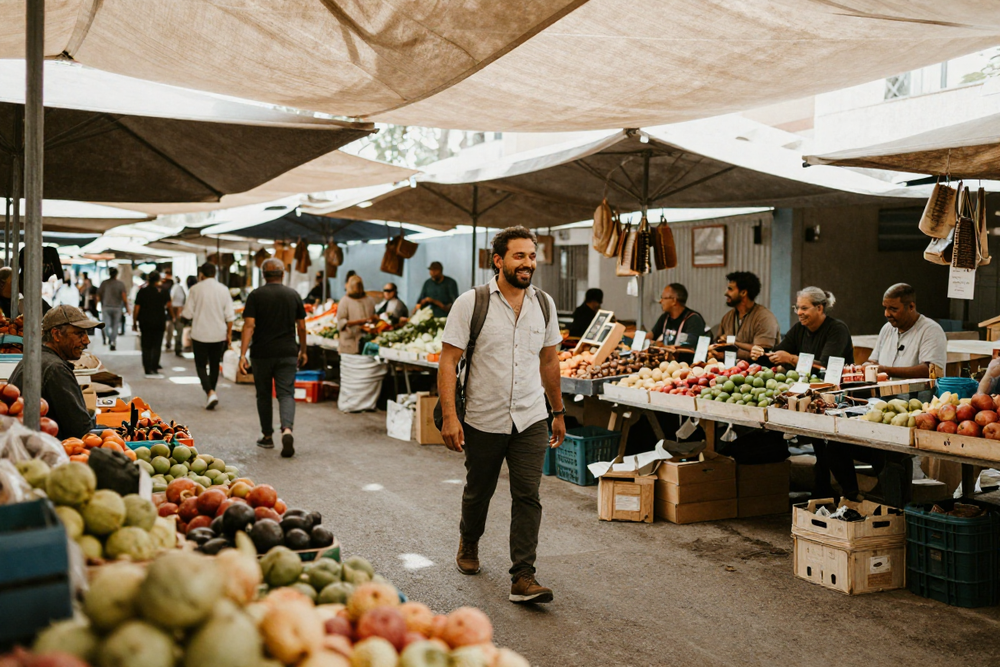
The main appeal of slow travel lies in its ability to foster authentic experiences. When travelers spend more time in a city, they have the chance to observe its rhythms, meet locals, and understand its culture on a deeper level. Markets, cafes, parks, and neighborhoods all take on new significance when visited regularly rather than fleetingly. For example, a market that feels chaotic on the first day can reveal patterns, seasonal changes, and interactions among vendors and customers over the course of a week. Similarly, walking the same streets at different times of day offers insights into local routines, architecture, and community life.
Slow travel also allows for personal growth and reflection. By staying in one place longer, travelers can detach from the pressure to “see it all” and instead immerse themselves in experiences that resonate with their interests. Whether it’s learning to cook a regional dish, practicing a new language, or volunteering with a local organization, these deeper engagements leave lasting memories that go far beyond photographs of landmarks.
Choosing the Right Destination for Slow Travel
Not every location is suited for slow travel, and selecting a destination carefully can enhance the experience. Cities or regions with rich cultural heritage, walkable streets, vibrant local communities, and accessible public transportation tend to be ideal. European cities like Florence, Lisbon, or Porto allow travelers to explore neighborhoods, interact with artisans, and discover local cafes and parks at a leisurely pace. Similarly, smaller towns or rural areas in countries like Japan, Italy, or New Zealand encourage visitors to slow down, appreciate nature, and engage with residents in meaningful ways.
When choosing a destination, it’s also important to consider logistics. Accommodation that allows for longer stays, proximity to grocery stores and markets, and reliable public transportation make it easier to settle into a rhythm. Renting an apartment or staying in a homestay rather than a hotel can help travelers feel part of the community, as it often encourages shopping locally, cooking at home, and interacting with neighbors.
Practical Tips for Embracing Slow Travel
- Stay Longer in Fewer Places: Rather than hopping between multiple cities in a short period, allocate more time to fewer locations. This reduces travel fatigue and allows for a deeper exploration of each place.
- Live Like a Local: Shop at neighborhood markets, use public transportation, and participate in community events. Observing and joining daily routines helps travelers connect with the local culture in an authentic way.
- Prioritize Experiences Over Sightseeing: Instead of trying to visit every major tourist attraction, focus on activities that foster interaction and immersion—cooking classes, guided walking tours with locals, craft workshops, or language lessons.
- Keep a Flexible Schedule: One of the benefits of slow travel is the freedom to explore without a rigid itinerary. Allowing time for spontaneous discoveries—such as an unplanned festival or a conversation with a local—can lead to some of the most memorable experiences.
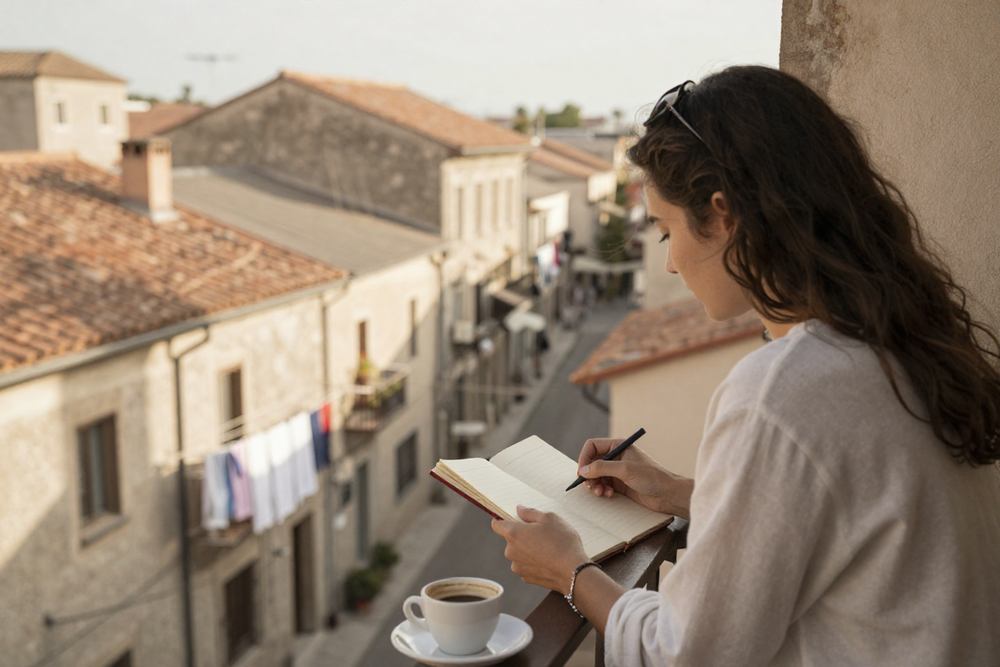
- Document Your Journey Mindfully: Journaling, sketching, or taking photos with intention can help travelers reflect on their experiences rather than rushing to capture every moment for social media.
The Benefits of Slowing Down While Traveling
Slow travel offers numerous benefits beyond the personal enjoyment of exploration. It often reduces stress and travel fatigue because the pace is gentler, schedules are less packed, and there is more time to rest and absorb new environments. Longer stays can also be more eco-friendly, as they reduce frequent flights, long drives, and other forms of rapid travel. Economically, travelers may save money by securing longer-term accommodation and engaging with local businesses, rather than paying premium rates for short-term tourist services.
Perhaps most importantly, slow travel encourages a deeper connection with people. When visitors spend more time in a place, they have multiple opportunities to meet the same vendors, baristas, neighbors, or fellow travelers, creating a sense of familiarity and community. These connections often lead to insider tips, invitations to local events, and friendships that outlast the trip itself.
Slow Travel Beyond the Trip
The philosophy of slow travel doesn’t need to end once the journey concludes. Many travelers find that the mindset—prioritizing experience over speed, quality over quantity, and connection over checklist—can be applied in everyday life at home. Slow travel teaches mindfulness, patience, and an appreciation for the small, meaningful moments that make life richer.
By adopting slow travel, the journey becomes more than a series of destinations. It becomes an experience of place, people, and personal growth, where travelers leave with a deeper understanding of both the world and themselves.
Staying longer in a city or country, travelers gain the opportunity to immerse themselves in culture, build relationships, and create memories that go far beyond traditional tourism. The beauty of slow travel lies in its simplicity: it’s not about how many landmarks you check off, but about how deeply you connect with your surroundings. For those willing to trade speed for depth, slow travel offers a more meaningful, authentic, and fulfilling way to explore the world.
More Trending Articles

Digital Health Communities: Using Technology to Connect and Support Healthy Lifestyles
Mia Santos
2026-02-07