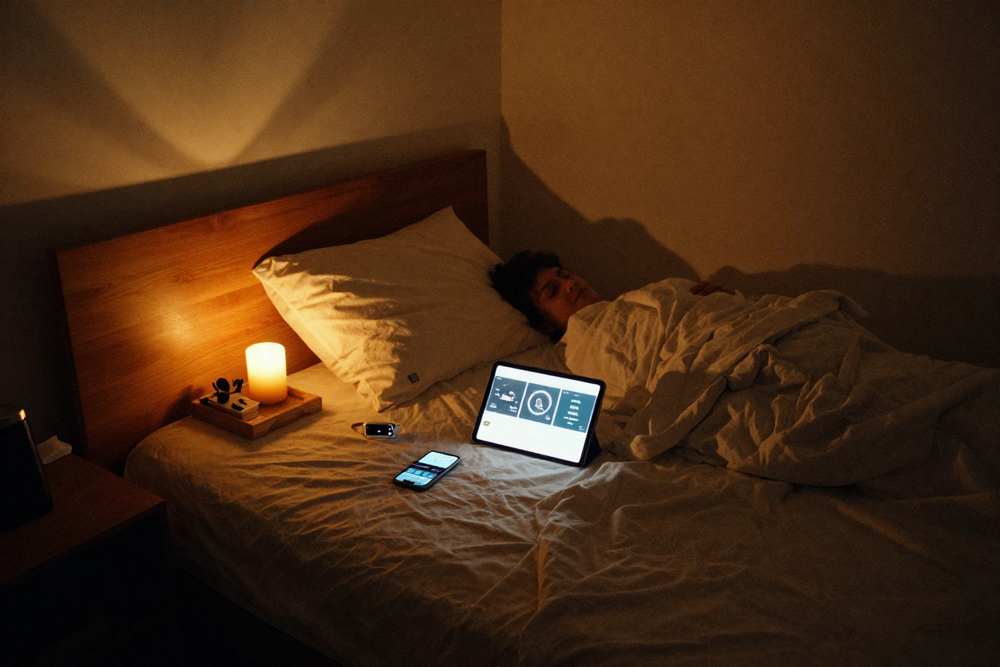
In recent years, wearable technology has moved from being a novelty into an essential tool for personal health management. Devices like smartwatches, fitness trackers, and even smart rings are no longer just about counting steps—they provide sophisticated, real-time data on heart rate, sleep quality, stress levels, and more. By integrating health monitoring into everyday life, wearable technology empowers individuals to take control of their well-being in ways that were once only possible in clinical settings.
Wearable devices combine sensors, algorithms, and wireless connectivity to continuously collect data about the body. Unlike periodic check-ups or manual tracking, these devices operate around the clock, giving users insights into subtle trends that can inform lifestyle changes, medical consultations, or fitness routines. The real-time feedback loop allows for proactive decision-making, turning abstract health goals into actionable strategies.
Monitoring Heart Rate for Health and Fitness
One of the most common and impactful features of wearable technology is heart rate monitoring. Modern devices use optical sensors, often called photoplethysmography (PPG), to detect changes in blood volume beneath the skin. This technology allows users to track their heart rate throughout the day, during exercise, and even while resting.
Real-time heart rate monitoring provides multiple benefits. For fitness enthusiasts, it ensures that workouts remain within the optimal heart rate zone, maximizing fat burn or cardiovascular benefits. For those with health concerns, wearable devices can detect irregularities such as elevated resting heart rates or sudden spikes, prompting timely medical advice. Over time, trends in heart rate data can highlight improvements in fitness, recovery, and overall cardiovascular health.
Additionally, advanced wearables can detect heart rate variability (HRV), a measure of the variation in time between heartbeats. HRV is an important indicator of stress, recovery, and autonomic nervous system function. Users can gain insights into how their bodies respond to workouts, work stress, or sleep patterns, which helps in planning exercise intensity and rest periods more effectively.
Tracking Sleep Patterns for Restorative Health
Sleep is a foundational pillar of well-being, yet it is often neglected. Wearable devices now provide detailed insights into sleep stages—light, deep, and REM cycles—using a combination of movement sensors and heart rate data. Users can understand not only how long they sleep but how well their bodies recover overnight.
This capability transforms the way people approach rest. Rather than guessing whether they are sleeping enough, users can identify trends like fragmented sleep, late-night disruptions, or periods of restlessness. With this information, individuals can make adjustments to bedtime routines, environmental conditions, or lifestyle habits that improve sleep quality.
For people experiencing chronic fatigue, wearable sleep tracking can be particularly valuable. Data can reveal patterns that align with lifestyle factors such as caffeine intake, exercise timing, or screen usage before bed. In some cases, wearables have helped identify underlying sleep disorders, enabling timely consultations with healthcare providers.

Understanding Stress Through Physiological Data
Modern wearables have moved beyond simple metrics and now provide insights into stress levels. Many devices measure indicators such as HRV, skin conductance, and even breathing patterns to assess the body’s stress response. Real-time feedback allows users to identify moments of high tension and take immediate action to manage stress.
For instance, a wearable may detect rising stress during a busy workday and prompt the user to take a mindful breathing break or a brief walk. Over time, these data points help individuals recognize patterns in their stress triggers, enabling more effective coping strategies. The ability to monitor stress in real-time has implications not only for mental health but also for physical health, as chronic stress is linked to heart disease, weakened immunity, and other long-term complications.
Integration and Personalized Insights
The power of wearable technology lies in integration. Many devices sync with smartphone apps or cloud-based platforms, allowing users to view long-term trends, set goals, and receive personalized recommendations. These platforms can combine heart rate, sleep, activity, and stress data to provide a comprehensive picture of health.
For example, a wearable may suggest adjusting exercise routines if sleep quality declines, or recommend mindfulness exercises if stress levels are consistently elevated. This personalized approach ensures that health strategies are dynamic, adapting to the user’s lifestyle and physiological responses.
Wearables also foster accountability. Notifications, daily summaries, and progress tracking motivate users to stick to routines and make healthier choices. By turning abstract health concepts into concrete data, wearable devices empower individuals to take control of their well-being in a measurable, informed way.
Challenges and Considerations
While wearable technology offers numerous benefits, there are some important considerations. Accuracy can vary between devices, and users should view data as guidance rather than absolute medical diagnoses. Privacy is another concern, as continuous health tracking generates sensitive personal data. It is essential to understand how data is stored, shared, and protected.
Additionally, over-reliance on wearable feedback can create stress for some users. Monitoring heart rate and sleep obsessively may lead to anxiety rather than improvement. The best approach is to use wearable technology as a tool to support healthy habits rather than dictate them.
The Future of Wearable Health Technology
The potential for wearable technology continues to expand. Future devices are expected to include more advanced sensors capable of monitoring blood glucose, oxygen saturation, hydration levels, and even detecting early signs of illness. Integration with AI will provide predictive insights, alerting users to potential health issues before symptoms appear.
The trend is clear: wearable technology is reshaping how we approach health, fitness, and stress management. By offering continuous, real-time feedback, these devices empower individuals to make informed choices, understand their bodies, and proactively manage both physical and mental well-being.
By monitoring heart rate, sleep, and stress levels in real-time, wearables provide actionable insights that allow users to optimize their daily routines, manage stress, and maintain overall wellness. While challenges around accuracy, privacy, and over-reliance exist, the benefits of understanding one’s body continuously are undeniable. As technology continues to evolve, wearable devices will become even more sophisticated, helping individuals live healthier, more balanced lives, one data point at a time.